A silverfish sighting is more than a nuisance: it can point to a damp, sheltered area where these insects have found food. For homeowners wondering how to get rid of silverfish in Florida, the most effective approach is to identify where they’re active, address the conditions attracting them, and use targeted pest control when needed.
It’s understandable to want a lasting solution, especially when silverfish appear around bathrooms, kitchens, books, or stored belongings. Adult silverfish are usually about 3/4 inch long, according to the University of Florida Institute of Food and Agricultural Sciences, with a slender, silvery-gray body and three tail projections.
This guide explains how to recognize silverfish activity, what they can damage, and why they don’t bite. You’ll learn how professional pest control can address an infestation and which moisture, storage, and entry-point issues to tackle to help prevent their return.
Key Takeaways
- Track where silverfish appear and the conditions around those spots to help identify what’s sustaining their activity.
- A professional assessment can distinguish silverfish activity from other pest concerns and guide a targeted control approach.
- Review storage areas for vulnerable books, papers, clothing, and other materials that silverfish may damage.
- Silverfish don’t bite; knowing their typical hiding places can help you make sense of a sighting.
- Moisture control, improved storage, and sealed entry points can help make your home less inviting to silverfish.
Table of Contents
Noticing Silverfish In Your House?
For homeowners asking how to get rid of silverfish in Florida, a professional assessment can connect sightings with moisture, shelter, and food sources. Treatment costs depend on the infestation, affected areas, access, and follow-up needs. The price is provided after a quote request.
Professional Humidity Assessment for Florida Homes
Arrange a professional assessment when silverfish repeatedly appear in bathrooms, kitchens, or storage spaces. The inspection can look for humidity, leaks, standing water, and poor ventilation. Silverfish thrive in indoor humidity levels of 75 to 95 percent. Professionals can identify likely moisture sources and recommend appropriate ways to address them, including improved ventilation or leak repairs.
Ask About Natural Silverfish Control Methods
Ask which lower-impact methods suit the affected rooms and observed activity. Diatomaceous earth dehydrates silverfish that contact it, so professionals may consider targeted use. Placement matters because treatment needs to reach insect travel areas, not simply open floors. Avoid scattering powders without guidance, especially near children, pets, food, or surfaces people regularly touch.
Decide When to Hire a Professional
Request professional pest control if sightings continue, appear in multiple rooms, or coincide with damage to stored belongings. Silverfish can be difficult to identify without an inspection, and a professional can distinguish their signs from other household pest activity. A substantial infestation may need professional treatment. Insecticides require appropriate training for safe, effective use, so avoid applying them without the necessary expertise.
- Share where and when you’ve seen silverfish during the inspection. An insect near a bathroom drain may point to different conditions than one beside stored paper. These details help the professional examine relevant rooms, plumbing fixtures, baseboards, and storage areas. A focused assessment is more useful than treating only the spot where one silverfish appeared.
- Ask how the plan will address both active insects and the conditions that support them. Treatment focused only on visible silverfish may leave damp hiding places undisturbed. Professionals can assess clutter, food residue, cracks, and ventilation alongside insect activity. Pairing targeted pest control with habitat changes addresses more than the immediate sighting and supports a thorough response.
- Describe which rooms show repeated activity and what belongings are nearby. Sightings around a pantry, for example, differ from activity beside a laundry area. The professional can use these observations to prioritize inspection locations and identify likely contributing conditions. Clear details also help shape a treatment plan for your home rather than a generic approach.
- A considered plan for how to get rid of silverfish in Florida should account for the home’s conditions, not just the insects you see. Professional pest control can pair targeted treatment with recommendations about moisture and shelter. This approach helps address why silverfish persist and keeps treatment decisions focused on evidence found during the inspection.
How Professionals Address Damage to Paper, Photos, and Household Materials
Silverfish damage is usually a materials problem, not evidence of bites. A careful inspection can identify vulnerable belongings, feeding signs, and conditions that may sustain activity.
- Ask the inspector to trace visible damage to its likely source. Silverfish feed on starches and cellulose, so professionals may examine book bindings, paper, photographs, wallpaper, and cardboard. They can also look for feeding around carpet glue, plaster, and some paints. Damage near these materials helps focus the inspection, but one damaged item alone doesn’t identify the insect.
- Have affected belongings assessed before moving or discarding them. A professional can inspect the surrounding shelf, storage box, or wall for insects and related signs. Damage to book edges alongside activity in a nearby paper stack, for example, gives the inspection more context. Keep fragile photographs and important documents separate from visibly affected storage during the assessment.
- Include food and clothing in the inspection, not just books. Silverfish may eat sugary or starchy substances and can damage clothes or other household goods if an infestation goes unchecked. A professional can assess cereal boxes, stored fabrics, and nearby surfaces for activity. This broader review helps distinguish isolated damage from a pattern across storage locations.
- Ask the professional to consider moisture and entry points alongside damaged materials. Leaks, damp areas, cracks, and sheltered storage can support silverfish activity. Finding these conditions matters because treating insects without addressing their habitat may leave the underlying problem in place. The assessment should connect evidence across rooms and storage areas, rather than focus on one damaged object.
- Separate property damage from bite-related health concerns. Silverfish don’t bite people or animals, carry disease, or have venom. Their main concern is damage to household materials, including paper, photos, books, and clothing. If you notice a skin reaction, don’t assume silverfish caused it; a sighting alone doesn’t establish the cause. Share damaged items and insect sightings with the professional so the inspection can address the household problem directly.
- Use the inspection findings to guide how you protect belongings. Once the professional identifies affected areas, discuss which storage locations need attention and whether activity extends beyond visible damage. Paper stacks, cardboard containers, and exposed books can all be part of the review. This measured approach helps protect valuable materials while keeping pest-control decisions tied to observed activity and likely sources.
Do silverfish bite?
No. Silverfish don’t bite or sting people or animals, carry disease, or have venom. To identify their activity, look for their distinctive shape and the dark, sheltered places they frequent.
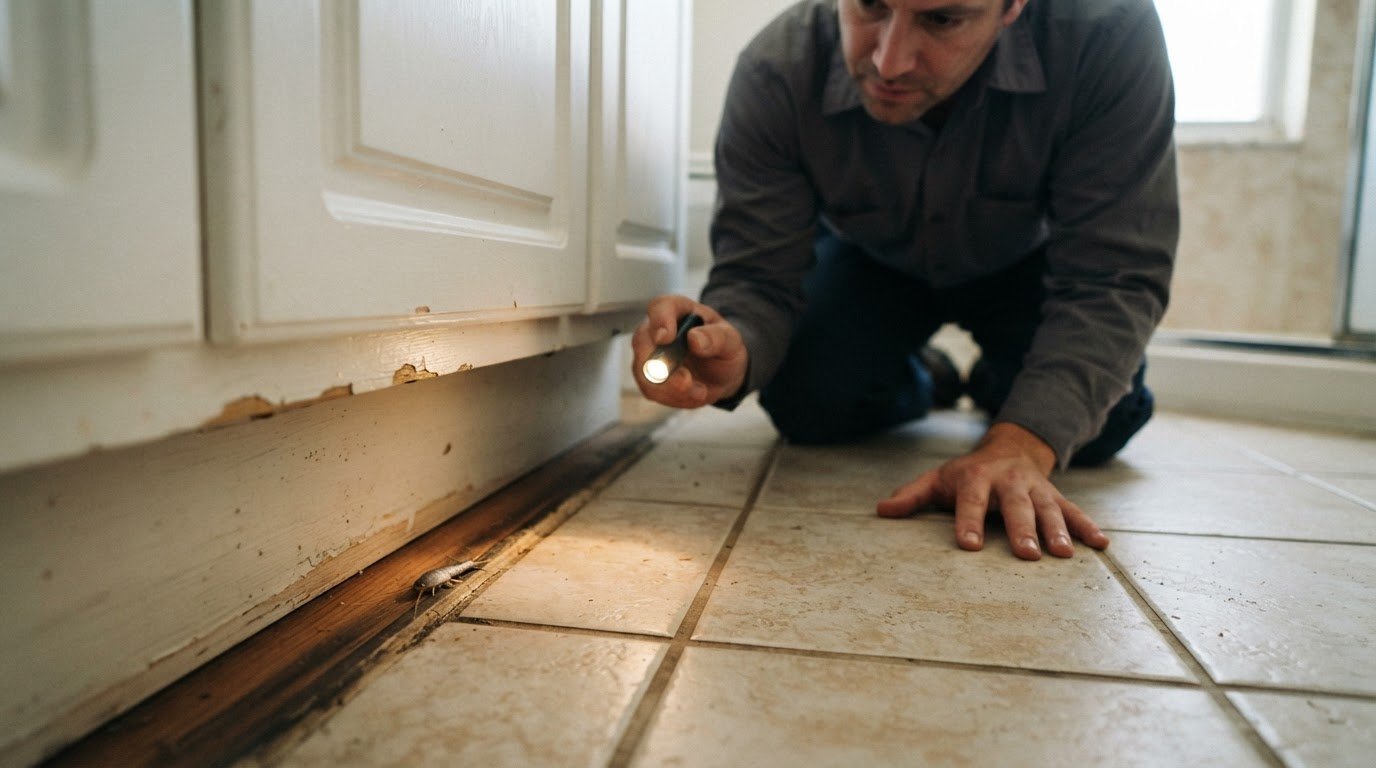
- Look for a slender, wingless insect with a silvery-gray body that tapers toward the tail. Adult silverfish have two antennae and three tail projections. Their quick, darting movement can make them hard to see clearly, so note where the insect disappeared and what nearby conditions might provide shelter.
- Inspect dark spaces with limited airflow, such as closets, attics, garages, and storage rooms. Silverfish avoid light and are most active at night, so daytime activity can go unnoticed. Check undisturbed corners, stacked belongings, and areas behind stored containers, where insects can remain sheltered.
- Pay attention to moisture near bathrooms, sinks, bathtubs, and laundry areas. Leaky pipes, wet drains, and poorly ventilated spaces can create attractive hiding places. A dehumidifier may help reduce dampness, but persistent moisture means its source needs attention. Include crawlspaces and attics in a professional inspection when accessible.
- Record sightings by room and location instead of relying on a single encounter. Note whether silverfish appear near a drain, a closet, or stored items, and whether you see them at night. These details help a pest control service distinguish a recurring pattern from an insect that entered incidentally.
- Use sticky traps to monitor suspected silverfish activity. Place them near likely travel routes, such as along a wall or beside a storage area, and keep them away from children and pets. A captured insect can help with identification, but trap results alone don’t establish the full extent of activity.
- Have a professional assess uncertain or widespread sightings. Silverfish can be difficult to confirm without an inspection, particularly when they disappear into cracks, wall gaps, or packed storage. A professional can inspect likely hiding places and distinguish silverfish from other insects before recommending pest-control measures.
- Consider the insect’s appearance and surroundings before drawing conclusions. A silvery, tapered insect near a damp bathroom differs from an unidentified insect in a bright room. Careful observation of shape, movement, moisture, and location gives a pest control service useful context without treating every household insect as a silverfish.
How Professionals Help Prevent Silverfish from Coming Back
A professional can help protect books, clothing, food, and stored items by identifying silverfish activity and its supporting conditions. The prevention plan can address moisture, food sources, clutter, and entry gaps around the household.
- Ask the professional to assess storage areas where silverfish may find starch or shelter. Bookshelves, closets, pantry shelves, and cardboard boxes offer different materials and hiding places. The inspection can identify vulnerable items and nearby signs of activity, helping shape recommendations around the rooms and belongings affected.
- Include food storage and household debris in the inspection. Silverfish can feed on sugary or starchy substances, including dry goods in accessible packaging. A professional can identify pantry areas that need better containment and recommend airtight glass or plastic containers for flour and cereal. This limits access to food sources and keeps prevention practical.
- Review how books, clothing, and keepsakes are stored. Professionals can point out cardboard boxes and cluttered corners that offer sheltered places for silverfish. Lidded plastic bins can help protect stored items better than cardboard. Recommendations for books and photographs should account for each item’s value and condition, rather than treating every shelf or box the same way.
- Address moisture as part of prevention. Silverfish prefer humid, damp spaces, so the professional can inspect for leaks, standing water, and poor ventilation. Recommendations may include using a dehumidifier in damp areas, improving airflow, or repairing a leak. Controlling the moisture source can make bathrooms, laundry areas, and storage rooms less inviting.
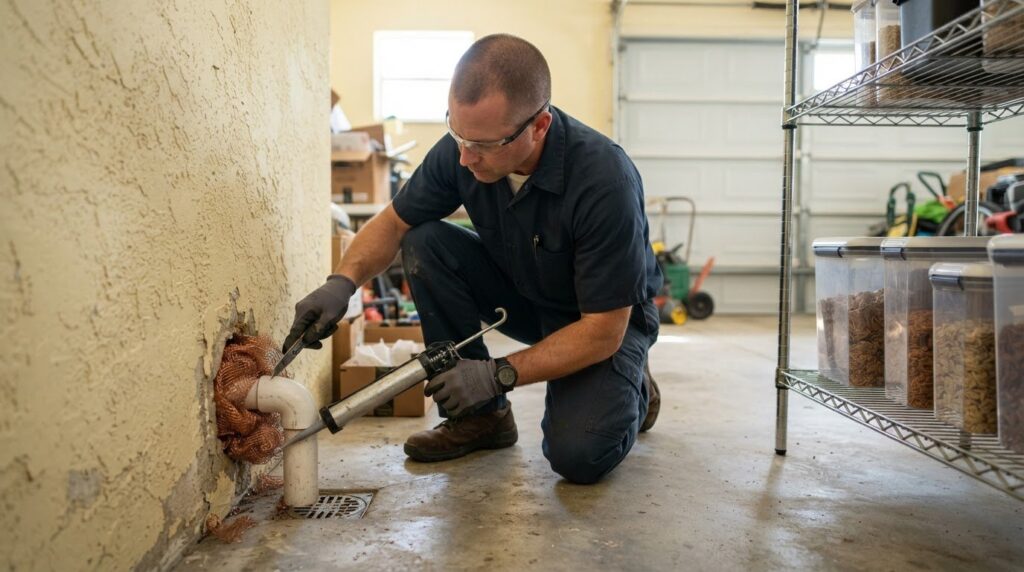
- Ask the professional to include likely entry points in the inspection. Silverfish can enter through small gaps around doors and windows, while cracks near baseboards or plumbing fixtures can provide sheltered routes. A professional can identify gaps that may benefit from sealing. Closing access points also reduces places where silverfish could hide and lay eggs.
- Discuss cleaning and monitoring as part of the prevention plan. Regular vacuuming can remove eggs and debris from floors and corners, while reducing clutter leaves fewer sheltered areas. Sticky traps can help monitor activity after treatment. A professional can explain where monitoring would be useful, such as beside a pantry or near a previously active closet.
- Use the inspection findings to set practical priorities. If activity centers on a pantry, focus first on dry-food containers and nearby cracks. If it appears around stored clothing, review the closet, its contents, and surrounding moisture. A tailored plan connects these steps instead of relying on one measure to prevent silverfish throughout the home.
Silverfish activity and appearance
- Note when silverfish appear, not just where they hide. These insects are nocturnal and avoid light, so a sighting after dark can reveal activity that daytime checks miss. They remain active year-round, though Florida’s humid summer conditions may bring increased activity. A nighttime sighting near a quiet storage space is useful context for assessing the area.
- Compare the insect’s shape with the signs around it. Adult silverfish are usually about 3/4 inch long, according to University of Florida Institute of Food and Agricultural Sciences (UF/IFAS). Their slender, wingless bodies taper toward three tail projections. A silvery-gray appearance and two antennae help distinguish them from other insects found near damp areas.
- Look for patterns around materials silverfish may eat. They consume starches and cellulose, so inspect book bindings, paper stacks, wallpaper edges, and cardboard storage. Small signs of damage nearby can help explain why insects gather there. Feeding traces combined with a sheltered location are more informative than an isolated sighting.
- Consider how silverfish life stages affect ongoing activity. Eggs hatch in three to eight weeks, and young insects reach adulthood within four to six weeks. Adults can live for two to eight years. These life stages help explain why a few visible insects may not represent all activity hidden in walls, storage, or other protected spaces.
- Track activity alongside changing indoor conditions. Silverfish prefer humid, sheltered places and may appear around bathrooms, kitchens, attics, or storage spaces. In Florida, summer humidity can make these locations especially relevant to inspect. Note whether sightings cluster near damp areas, stored cardboard, or wallpaper, then share the pattern during an inspection.
- Keep a simple record to make observations more precise. Write down the room, time, and nearby materials whenever you spot an insect. A silverfish seen at night beside a cardboard box, for example, differs from one found near wallpaper in a bathroom. These details help an inspector connect the insect, its activity, and its surroundings.
- Base next steps on repeated evidence, not one uncertain glimpse. Silverfish can move quickly into cracks and dark spaces, making identification challenging. If sightings recur or damage appears in several areas, request a professional pest inspection to assess the insect and its hiding places. Clear observations support a more targeted response.
Outdoors Done Right pest control division of Landscape By Design Of Palmetto
Outdoors Done Right helps homeowners address broader property needs alongside indoor pest concerns. Silverfish inside the home call for indoor pest control; landscape work is not a substitute for addressing an interior infestation.
For outdoor improvements, Landscape By Design Of Palmetto provides Landscape Design, Hardscapes and Retaining Walls, Irrigation and Sprinkler Systems, Landscape Lighting, and Landscape Construction. These services help shape the grounds around your home, while indoor silverfish concerns require attention suited to the affected interior spaces.
To discuss your property needs, contact Landscape By Design Of Palmetto.
Choose a Clear Next Step for Your Home
Once you’ve identified recurring activity, focus on a coordinated plan that keeps indoor pest concerns separate from outdoor property projects. Professional indoor pest control addresses silverfish inside the home; landscape improvements serve the separate purpose of shaping outdoor spaces. Keeping those needs distinct helps you choose the right next step without expecting one service to solve unrelated issues.
If you’re considering how to get rid of silverfish in Florida, use your observations to guide a professional discussion. A tailored assessment can help determine whether the priority is indoor pest control, moisture-related maintenance, or another property concern. The aim is a considered response that fits your home, not a one-size-fits-all solution.
It can also help to discuss how the work will fit into your broader plans for the property. Clear priorities make it easier to distinguish immediate indoor concerns from longer-term improvements, then decide which deserves attention first. That thoughtful sequence can bring greater clarity to decisions about your home and its surroundings.
For help discussing your property needs, contact Landscape By Design Of Palmetto. A clear conversation is a practical first step toward a more comfortable home and carefully considered property care.
Frequently Asked Questions
How Can a Professional Get Rid of Silverfish in Your Florida Home?
A professional can confirm the insect, map activity across rooms, and assess the conditions supporting it. In Palmetto, Bradenton, Parrish, and Sarasota, Outdoors Done Right provides indoor pest control planned around the home’s layout and observed signs. Treatment depends on where silverfish are active and what sustains them. Insecticides require appropriate training for safe and effective use.
Are silverfish harmful to humans?
Silverfish don’t bite people or pets, carry disease, or have venom. Their main concern is damage to household materials, rather than direct harm to people. Finding one near clothing or stored belongings isn’t, by itself, evidence of exposure or illness. If you’re concerned about symptoms or another insect, consider the circumstances separately and seek medical advice if symptoms persist.
Are silverfish dangerous?
Silverfish aren’t dangerous like biting or venomous pests. However, they can damage belongings if activity goes unaddressed, particularly items made from materials they feed on. Consider the pattern: a sighting near stored documents may warrant checking that storage area, while repeated sightings across rooms call for a broader professional assessment.
Can silverfish cause allergic reactions?
A silverfish sighting alone can’t establish the cause of allergy symptoms. Silverfish don’t bite or sting, and their presence isn’t proof that they triggered a reaction. Note when symptoms occur and which room is involved, then discuss persistent or severe symptoms with a healthcare professional. This can help distinguish an insect sighting from other possible indoor triggers.
Dealing With a Silverfish Infestation?
Arrange a professional inspection if sightings recur or appear in several rooms. Share where and when you’ve seen insects, along with any damaged belongings; these details help focus the inspection. A professional can confirm whether silverfish are present, assess the extent of activity, and determine an appropriate treatment approach. Insecticides require appropriate training for safe and effective use.
What do silverfish hate the most?
No smell or household substance reliably resolves silverfish activity. Focus instead on removing conditions that make a space suitable, such as persistent dampness, accessible food, or sheltered storage. A professional can identify which factor matters in the affected area and recommend a response suited to that pattern, rather than relying on a supposed repellent.
Why are silverfish a problem?
Silverfish are a concern because their feeding can damage belongings with personal or household value. A damaged book, photograph, or wallpaper edge may be difficult to replace, even though the insect poses no direct threat to people. If you notice fresh damage, tell the inspector which items and rooms are affected. That context can help establish whether activity is isolated or more widespread.
Why are silverfish common in Florida homes, and where do they hide?
Florida’s humid conditions can suit silverfish, which may remain active year-round; activity can increase during summer. Look for patterns in dark, damp spaces such as bathrooms, kitchens, attics, and storage areas. Silverfish may also enter through small gaps or arrive with items brought indoors. A sighting near a particular entry or storage space can help focus an inspection.