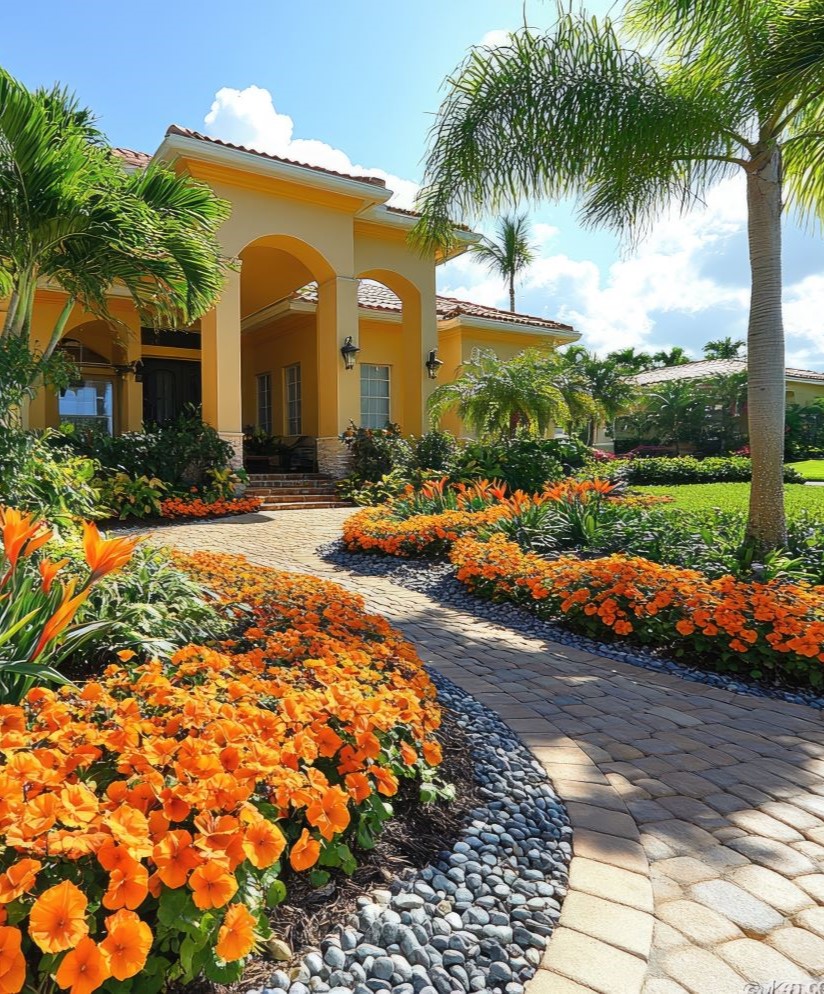
How soggy lawns, water near foundations, and waterlogged planting beds can damage landscapes—and the practical fixes that help water move safely away.
When Rain Keeps Coming, Drainage Problems Become Hard to Ignore
After several days of steady rain, a yard can reveal problems that are easy to miss during dry weather. Water that sits on the lawn, puddles along walkways, collects near downspouts, or rests against the home’s foundation is more than a temporary inconvenience. The U.S. Environmental Protection Agency explains that stormwater runoff can contribute to flooding, erosion, and water pollution when rain cannot soak into the ground, and the same excess water can create problems at the household level when it has nowhere safe to go.
In many residential landscapes, drainage issues show up first as soft turf, muddy low spots, yellowing grass, exposed roots, leaning plants, mulch that floats away, or beds that stay wet long after the rain has stopped. These signs often mean the soil is saturated, compacted, poorly graded, or repeatedly receiving more roof and surface runoff than it can absorb. The sooner the source is identified, the easier it is to protect the lawn, foundation, and plantings before minor soggy areas become expensive repairs.
Standing Water on the Lawn
Water sitting on the lawn usually points to one of three causes: a low area where runoff naturally collects, compacted soil that cannot absorb water quickly, or poor grading that prevents water from moving away. A lawn may look flat to the eye but still have subtle dips that hold rainwater. When the soil remains saturated, grass roots lose access to oxygen, turf becomes weak, and weeds or fungal issues may spread more easily. If the same patch stays wet after every storm, the problem is likely drainage—not just “too much rain.”
A simple first step is to watch the yard during and immediately after a heavy rain. Notice whether water flows from a roof edge, driveway, neighbor’s slope, patio, or downspout into the problem area. The EPA recommends observing where rainwater travels around a property and using practices such as rain barrels, redirected downspouts, rain gardens, trees, and permeable surfaces to help water soak in. This observation helps prevent spending money on the wrong fix.
Water Against the Foundation
Water collecting against the foundation deserves quick attention because repeated saturation can increase pressure around the home, seep into crawl spaces or basements, and worsen settlement or moisture problems. The goal is to keep rainwater moving away from the structure rather than allowing it to pond along the wall. Start by checking gutters, downspouts, splash blocks, and the slope of the soil near the house. If downspouts discharge at the base of the home, they may be adding hundreds of gallons of roof runoff to the exact area that should stay dry.
One of the most practical fixes is downspout redirection. The EPA notes that redirecting downspouts to a lawn, garden, or rain barrel can reduce runoff and help water soak into the ground, but the discharge point should be chosen carefully so water does not create a new problem for the foundation, a walkway, a neighbor’s property, or a low area that already floods. In many cases, downspout extensions, buried solid drainpipe to daylight, or a properly located rain garden can dramatically reduce water pressure near the home.
Waterlogged Soil and Plant Stress
Plants need water, but they also need air in the soil. When beds remain waterlogged, soil pores fill with water and oxygen becomes limited around the roots. This can cause wilting even though the soil is wet, yellow leaves, stunted growth, leaf drop, and decline. Extension guidance on excess water in trees explains that water-saturated soils can exclude oxygen, stop root growth, reduce mineral uptake, and eventually cause roots to die, leaving plants more vulnerable to root and crown diseases.
Root rot is a common result of poor drainage because many root disease organisms thrive where roots stay wet and weak. In an Ask Extension response, horticulture experts explain that root rot generally occurs when plants are in poorly draining soil and recommend improving drainage with compost or organic matter rather than relying on fungicide alone. If a plant is sitting in a constantly soggy bed, treating the leaves will not solve the underlying problem—the root zone needs better oxygen and drainage.
Practical Solutions That Match the Problem
Redirect roof runoff first. Gutters and downspouts should be clean, connected, and sending water away from the foundation. Extensions, splash blocks, rain barrels, or solid pipe can move roof water toward a place where it can safely soak in. Because the EPA identifies downspout redirection as a way to reduce runoff from a property, this is often the lowest-cost place to begin before considering larger drainage work.
Improve soil structure in planting beds. Where soil is compacted or heavy, incorporating compost can improve soil aggregation and help water move through the root zone more evenly. Avoid working saturated soil, because digging or tilling when soil is wet can make compaction worse. For existing shrubs and perennials, add organic mulch on top of the soil, keep mulch away from stems and trunks, and consider raising low planting areas slightly so crowns and roots are not submerged after every storm.
Correct low spots and grading problems. If water stands in a shallow depression, topdressing and leveling may help. If water flows toward the house, the grade may need to be reshaped so surface water moves away from the foundation. Larger grading changes should be planned carefully to avoid directing water onto neighboring properties or trapping water in a new low area.
Use rain gardens where water naturally collects. A properly placed rain garden can turn a soggy trouble spot into an attractive landscape feature. The EPA describes rain gardens as shallow landscaped depressions that collect rainwater from roofs, driveways, or streets and allow it to soak into the ground. They can also filter runoff and support pollinators when planted with suitable grasses, perennials, and shrubs. Rain gardens should be located away from the foundation and utilities, and they work best when sized to the amount of runoff they receive.
Consider French drains, catch basins, or dry creek beds for persistent flow. If water repeatedly crosses the same path or sits in a large area, a more structured drainage system may be needed. A French drain can move subsurface water, a catch basin can collect surface water, and a dry creek bed can slow and guide visible runoff while adding a finished landscape look. These systems need a safe discharge point, proper slope, and sometimes permits or professional design, especially where water volume is high.
Choose plants that tolerate wet conditions. In areas that remain naturally moist even after improvements, replace sensitive plants with species better suited to damp soil. Avoid planting drought-loving herbs, succulents, or plants prone to crown rot in the wettest spots. Raised beds, berms, and amended planting mounds can help keep root crowns above saturated soil while still allowing the surrounding landscape to receive stormwater.
Quick Homeowner Checklist After Heavy Rain
- Walk the property during or right after rain and note where water starts, flows, and collects.
- Check that gutters are clear and downspouts discharge away from the foundation.
- Look for low lawn areas, compacted paths, settled soil near the house, and mulch or soil washed out of beds.
- Inspect plants for yellowing leaves, wilting in wet soil, soft stems, declining crowns, or roots that smell sour or appear dark and mushy.
- Prioritize simple fixes first, such as downspout extensions, aeration, topdressing low spots, compost in beds, and redirecting runoff to safe planted areas.
- Call a qualified drainage, landscape, or foundation professional if water repeatedly enters the home, stands against the foundation, erodes soil, or requires a piped drainage system.
The Bottom Line
Constant rain does not always create drainage problems, but it exposes them. Standing water on the lawn, water resting against the foundation, and plants sitting in waterlogged soil are warning signs that the landscape is not moving rainwater effectively. By observing water flow, redirecting roof runoff, improving soil conditions, choosing better-suited plants, and using solutions such as rain gardens, grading, French drains, or catch basins when needed, homeowners can protect both their property and their landscape from long-term water damage.