Protecting children and pets starts with a treatment plan tailored to the home, the ant activity, and the product directions. When choosing an ant exterminator in Palmetto, look for a clear explanation of the inspection, treatment approach, and precautions to follow.
It’s understandable to want ants gone without creating new worries for your household. This guide explains what to expect from an inspection, how treatment choices and safety precautions fit together, and what can influence service pricing. The price depends on the case and is given after a quote request; factors include the extent of ant activity and the areas that need treatment.
You’ll also learn practical ways to make your home or business less inviting to ants, what guarantees and service options mean, and when professional pest control can help. A few thoughtful prevention habits can support a calmer, more comfortable space between treatments.
Key Takeaways
- Learn which details can shape an ant-control quote, from the extent of activity to the areas that need treatment.
- See how an inspection can help identify the ant species and locate where activity is coming from.
- Understand what to consider about treatment precautions around children and pets, including following product directions.
- Explore how service needs can differ between homes and businesses, and what to know about guarantees.
- Use practical prevention steps to make indoor and outdoor spaces less inviting to ants.
Table of Contents
Ant control pricing and service availability
In Palmetto, Florida, homeowners and businesses can seek ant treatment from pest-control providers serving the area. An ant exterminator in Palmetto can assess activity, identify treatment needs, and explain service options before work begins.
Ant Control Pricing
The price depends on the case and is given after a quote request; factors include the extent of ant activity and areas needing treatment. A kitchen trail and activity across several rooms call for different assessments. Ask for a clear breakdown of inspection, treatment, and any planned follow-up, so the proposed work matches the problem.
Several practical details can shape a treatment plan. The technician may consider where ants appear, how far trails extend, and whether activity is indoors, outdoors, or both. A nest near a building entrance may call for a different approach from ants repeatedly appearing around pantry food. Clear notes help describe the issue accurately.
Before arranging service, record the rooms or outdoor spots where ants appear. Note visible trails, food sources, and changes in activity after cleaning. Share whether the issue affects a home or business, and identify the areas that need attention first. These details help tailor the proposed service to the property’s actual needs.
Compare the stated scope, not just the treatment label. Check whether the plan describes the target areas, intended method, and any follow-up. For example, a plan focused on a single trail differs from one addressing recurring activity in several locations. A precise scope makes expectations easier to understand.
Bait Application and Scheduled Service
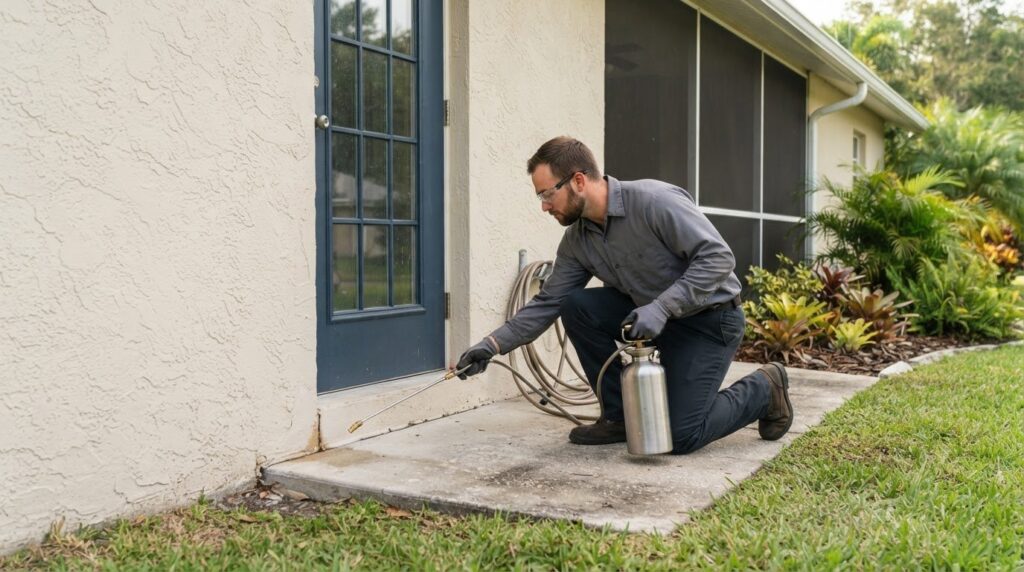
Bait application places an attractant where ants can find it, allowing workers to carry it toward the colony. Placement matters: a technician assesses trails and activity before choosing suitable locations. Don’t disturb bait stations or treated placements; follow the product directions and any instructions provided for the property.
Follow-up service can support a treatment plan when ant activity returns or needs continued attention. The schedule should reflect observed activity and the treatment approach, rather than an assumed timetable. Ask what each visit covers, how progress is assessed, and what changes to report between appointments.
Treatment needs can differ by property. A home may require attention to kitchens, entry points, or outdoor ant trails; a business may need a plan that considers work areas and routine operations. Describe the affected locations and priorities when arranging service, so the treatment addresses the right spaces.
For a useful first appointment, prepare a simple record: note where ants appear, when activity is noticeable, and which areas have already been cleaned or treated. Keep children and pets away from bait placements according to product directions. This gives the technician useful context while helping household members follow treatment precautions.
A useful treatment plan starts with a clear description of the inspection and proposed work. When arranging service in Palmetto, Parrish, Bradenton, or Sarasota, explain the property type and affected areas. A focused scope helps homeowners and businesses understand what the treatment is meant to address.
Ant inspection and species identification
Accurate identification helps match an inspection to the ants’ habits and nesting locations. In Palmetto, visible ants may include ghost ants, while Florida has 13 carpenter ant species. A trail’s size, color, location, and nearby debris offer useful clues, but appearance alone may not reveal the nest.
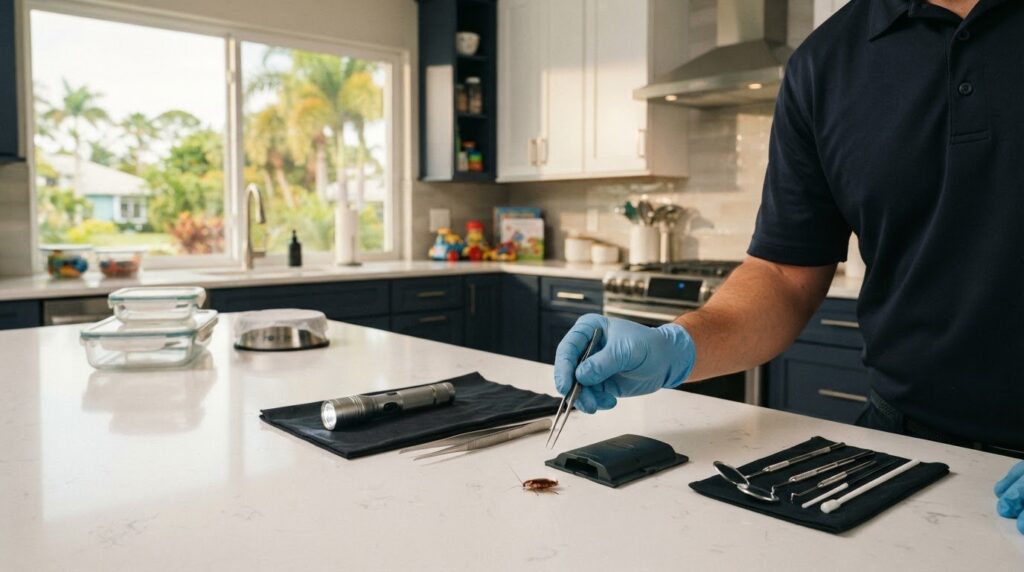
Start by recording where ants appear and how they move. Note whether a trail follows a counter, window, foundation, or tree branch. Photograph the ants beside a familiar object for scale, and save a sample in a sealed container if safe to do so. These details help distinguish a steady foraging trail from scattered sightings.
Ghost ants are tiny, measuring 1.3-1.5 mm long. Their small size can make a line of ants near a sink or food container easy to overlook. Look closely at repeated routes, especially where plumbing or wall openings meet interior surfaces. A magnified photo can preserve useful detail for identification.
Carpenter ants warrant attention around damp or damaged wood. They typically excavate wood already decayed by fungi to form nests, rather than consuming the wood. Their digging can leave residue mistaken for sawdust, and a rustling sound may come from workers excavating a new colony. Check nearby wooden trim, window frames, and areas with moisture damage.
Hair on the abdomen can help distinguish a carpenter ant, but a close view may be needed. Don’t assume every pile of fine debris came from ants; compare its location with active trails and damaged wood. An inspection follows that evidence toward likely nesting sites, rather than treating every visible ant as proof of a nest.
For a useful inspection, gather a few observations before the visit:
- Mark the rooms, outdoor edges, or structures where ants appear.
- Note whether activity follows food, moisture, or a visible opening.
- Photograph any suspected wood damage and nearby debris.
- Record when trails appear and whether their locations change.
These steps make species identification more precise and help distinguish a food-seeking trail from activity tied to a nest. For outdoor areas where planting beds meet foundations, thoughtful landscape planning around the home can help keep the property’s layout orderly while inspection focuses on ant evidence.
Do you guarantee your ant extermination?
A guarantee depends on its written terms, including which ants and treated areas it covers. Florida licensing requirements depend on the specific pest-control activity and role; verify the applicable credential through the state licensing lookup using the business or applicator name.
Ant species matter because nesting habits and treatment needs differ. Fire ants build outdoor colonies and may become noticeable around disturbed soil. Crazy ants can form active trails across indoor and outdoor surfaces. “Sugar ants” is a common label for ants attracted to sweet foods, not a precise identification. Record where you see each trail and what it approaches.
Carpenter ants need a different kind of attention. Florida has 13 species of carpenter ant, and workers can reach 3/8th of an inch. Winged female Florida carpenter ants can reach 3/4th of an inch. Their size can help distinguish them from smaller ants, but nest evidence and the surrounding wood matter too.
Carpenter ants excavate wood to create nests but don’t consume it. They typically burrow into wood already decayed by fungi, so damp or damaged wood deserves a close look. One fertilized queen establishes a carpenter ant colony. Workers may create satellite nests, making the location of visible ants only one part of the inspection.
Swarming provides another clue. Florida carpenter ant swarms leave their colonies from May to November, from late afternoon through the night, to mate and create new colonies. If you see winged ants during that period, photograph them and note the time and location. Don’t assume wings alone identify the insect.
Compare wing shape and body form before deciding whether you’re seeing ants or termites. Winged termites have four wings of equal size. Florida carpenter ants have a thin or pinched waist, with smaller hind wings than front wings. These visible differences help guide identification, but an inspection should also consider nearby wood and activity.
Before relying on a service guarantee, look for clear terms tied to the treatment. Check which ant species, locations, and follow-up steps it covers, and whether the terms describe what happens when activity continues. A guarantee should define its scope in plain language, not imply that every colony or future ant sighting is covered.
For a focused review, gather photos, note any carpenter-ant swarm activity, and mark suspected wood damage. Share those observations during the inspection. A written treatment scope paired with species identification gives you a more useful basis for understanding what the service addresses and what its terms mean.
Residential and commercial ant treatments
A treatment plan should reflect the building, the ant activity, and the people using each space. A kitchen, a stockroom, and an outdoor entry call for different priorities.
Safety for Children and Pets
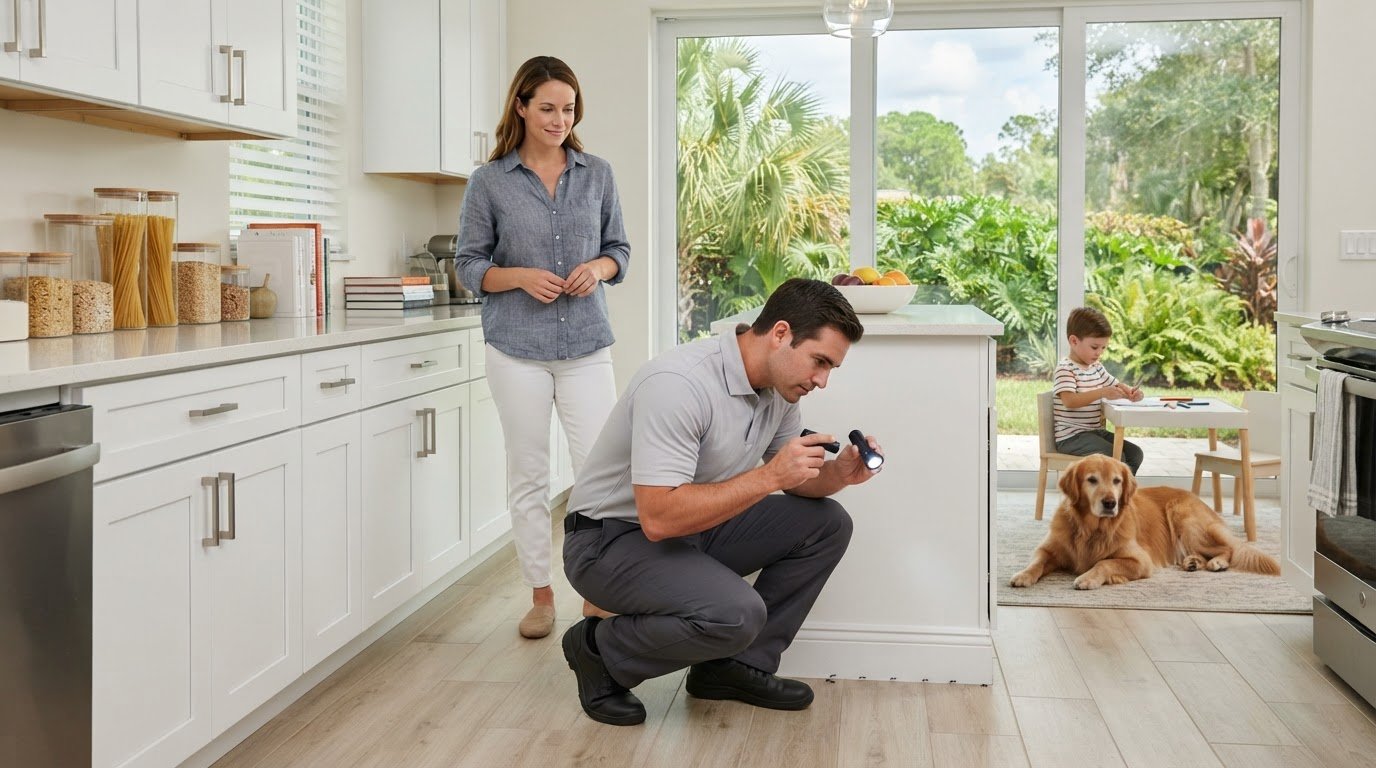
Safety planning starts with the treatment product, placement, and the areas children or pets use. Ask which locations will be treated and what precautions apply to each one. Follow the product label and the technician’s instructions, including any directions about access, cleanup, or treated surfaces.
Before service, identify pet feeding areas, children’s play spaces, and frequently touched surfaces. For example, point out a dog’s food station beside a kitchen wall or toys stored near an ant trail. This lets the treatment plan account for household routines instead of treating every room as interchangeable.
Customized Treatment Plans
A home plan can focus on pantry edges, plumbing openings, or a patio door where ants appear. A business plan may need to account for food storage, customer access, receiving areas, and cleaning routines. Share the affected locations and operating needs so treatment can be directed toward relevant activity.
Useful details include where trails begin, whether activity appears indoors or outdoors, and which areas must remain accessible. A café kitchen and an office break room have different use patterns. A tailored plan should define its treatment areas and explain how occupants can prepare those spaces.
Colony and Nest Treatment
Visible ants may be foraging away from their nest, so treating a trail alone may miss the source. An inspection can trace activity toward likely nesting areas, such as a wall opening, exterior edge, or damaged wood. The chosen treatment should address the observed ant activity and likely colony location.
For example, ants entering near a window may follow a route from outdoors, while activity around a cabinet may point toward an interior access point. Note both the trail and its entry area. This helps distinguish where ants are seen from where treatment may need to focus.
Residential service should consider daily routines and the rooms where ants interfere most. Commercial service also needs to account for staff movement, stored goods, and public-facing spaces. A treatment outline can name priority areas, access limitations, and any preparation needed before the visit.
After treatment, follow the specific instructions provided for treated spaces and report renewed activity with its location. A trail returning near the same threshold differs from new sightings across a separate room. Clear observations help determine whether the original treatment area or another access point needs attention.
For children and pets, keep product directions available and communicate them to everyone entering treated areas. For a business, share relevant instructions with staff responsible for cleaning or opening the space. Careful placement, clear communication, and a plan suited to the property make treatment easier to manage.
Homeowner steps to prevent ants
Before treatment, clear access to affected areas and note where ants appear. Afterward, follow the product directions and service instructions, then track any returning trails.
Preparing for Professional Treatment
Start with the rooms where activity is visible, such as a pantry, bathroom, or laundry area. Move stored items away from affected edges when practical, and note trails near sinks, doors, or food containers. Keep a short record of sightings so the inspection can focus on active routes and likely entry points.
Clean up crumbs and spills, then store food in sealed containers. Pick up pet food between meals and empty indoor rubbish bins. Don’t erase every ant trail before the visit; mark its path or take a photo first. Tell the technician which areas children and pets use most, so those spaces can be considered in the treatment plan.
After-Treatment Homeowner Steps
Follow the instructions for treated surfaces, bait placements, and room access. Keep children and pets away from treated areas as directed, and don’t move or clean over bait unless the instructions allow it. If a product label gives specific precautions, follow those directions rather than applying a general household routine.
Keep food sealed, wipe fresh spills, and address conditions that keep surfaces damp. For example, dry the area beneath a leaking sink and store pantry goods in closed containers. Note where ants appear after service, including whether they return along an earlier route or show up elsewhere. Share those observations through the service follow-up process.
Prevention works best as a sequence of small, repeatable habits. Use this household check as a routine:
- Wipe counters after preparing food and rinse sticky drink containers.
- Store pet food and pantry goods in closed containers.
- Take rubbish out when food waste collects inside the bin.
- Look for gaps around doors, windows, and plumbing penetrations.
- Trim vegetation touching the house and clear fallen leaves near entryways.
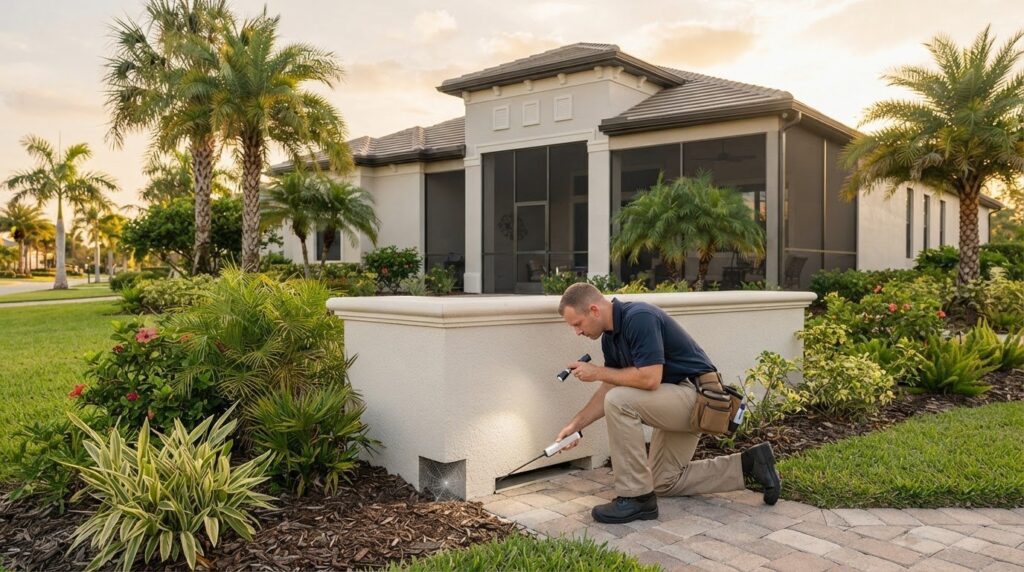
Outside, inspect the foundation, patio edges, and places where branches meet the building. Remove food scraps from outdoor seating areas and keep compost or rubbish containers closed. If irrigation leaves soil or paving consistently wet beside the house, adjust watering patterns and watch whether ant trails shift toward that area.
These steps reduce easy food access and make recurring activity easier to notice. Keep a simple log of the location, nearby food or moisture, and any changes after treatment. For a more considered outdoor layout, review options for shaping your outdoor space alongside these prevention habits.
Landscape By Design Of Palmetto: Landscape Design
Landscape By Design Of Palmetto can help shape outdoor spaces around the way you use your property in Palmetto, Parrish, Bradenton, and Sarasota. If ant prevention has you reviewing patios, planting areas, or irrigation, landscape design can coordinate those features with the home’s layout.
Hardscapes and retaining walls define outdoor areas, while irrigation and sprinkler systems support planned watering. Thoughtful placement can make it easier to monitor edges near the foundation and notice changes in moisture or ant activity. These landscape services complement household prevention habits; they don’t replace ant inspection or treatment.
If you’re planning changes to your outdoor space, visit Landscape By Design Of Palmetto to explore your options.
Choose a Clear Next Step for Your Property
Lasting comfort comes from making deliberate choices for both the home and its surroundings. If ant activity continues to disrupt daily routines, Landscape By Design Of Palmetto provides pest control for local properties. If your next priority is reshaping the outdoor setting, consider how the layout, hard surfaces, and watering plan work together.
Landscape By Design Of Palmetto can help homeowners plan those outdoor changes through landscape design, hardscapes and retaining walls, and irrigation and sprinkler systems. Thoughtful planning can bring a more cohesive feel to the property while supporting the way you use its outdoor spaces. Choose the next step that best fits your needs, whether that means addressing ant activity or refining the landscape around your home.
Contact Landscape By Design Of Palmetto to discuss your landscape plans. A considered approach can make the property feel more welcoming, functional, and distinctly yours.
Frequently Asked Questions
Are the treatments safe for kids and pets?
Treatment safety depends on the product, its placement, and its directions. Before service, point out children’s play areas, pet beds, feeding stations, and access routes. After application, follow instructions for staying away from treated spots and handling surfaces or bait. For example, keep a curious pet away from a station rather than moving it to another room.
How do I keep ants from returning?
Make food and water less accessible, then watch for new activity. Rinse recyclable drink containers, wipe sticky residue from cabinet handles, and clean beneath appliances where crumbs collect. Check door sweeps and utility openings for gaps ants could use. If ants reappear, note the exact location and what is nearby, such as a damp plant saucer or uncovered rubbish.
How much does ant control cost?
Ant-control pricing depends on the case and is provided after a quote request. The scope may reflect the number of affected areas, whether activity is indoors or outdoors, and the treatment approach. To make the quote more useful, describe where ants appear and whether the problem affects one room or several. An ant exterminator in Palmetto can use those details to assess the work.
How quickly can you come out?
Appointment timing depends on scheduling and the service needed for the property. Share whether ants are affecting a kitchen, a business work area, or an outdoor entrance, and describe how activity is spreading. Those details help establish the appropriate visit and inspection needs. If ants are near food storage or customer areas, mention those locations when arranging the appointment.
Which ant species are common in Palmetto, Florida, and how are they identified?
Ghost ants and carpenter ants are useful examples to recognize in Florida. Ghost ants measure 1.3-1.5 mm, while Florida has 13 carpenter ant species. Look at the ants’ size and body, then note the location and pattern of activity. A clear close-up photo beside a familiar object can help preserve details for identification.
How much does ant extermination cost in Palmetto, FL?
The cost depends on the property and the work required, with pricing provided after a quote request. A quote should make the treatment scope clear, including the areas addressed and whether follow-up service is part of the proposed plan. Before requesting one, list the places where ants appear and mention any access constraints, such as rooms that need to remain in use.
What ant treatment methods do Palmetto pest control companies use?
Approaches can include bait placement and targeted treatment of areas where ants travel or nest. The right method depends on the species, activity pattern, and location, such as a trail along a baseboard or ants entering near an exterior doorway. Ask for a plain explanation of the treatment areas and follow the product directions for each treated space.
Do Palmetto ant exterminators offer free inspections or same-day service?
Free inspections and same-day appointments are specific service terms, not features to assume. Inspection scope and appointment timing can differ with the property, the ant activity, and the service schedule. When arranging a visit, describe the affected areas and ask what the inspection includes and when service can be scheduled. This helps set clear expectations before treatment begins.