A closed garage door can still leave an entry point for pests. Preventing pests in a Florida garage starts with sealing gaps, reducing clutter and stored food, and addressing moisture that can make the space inviting. The Centers for Disease Control and Prevention recommends sealing openings larger than 1/4 inch to keep rodents out.
It’s understandable to focus on the door, but pests can also enter through worn weatherstripping, cracks, and gaps around utility openings. Snakes call for particular care: South Florida has 34 native snake species, including four venomous species, so a snake infestation should be handled by trained professionals.
This guide explains how a pest-control professional can identify likely entry points and attractants, assess common garage pests, and respond to snake concerns safely. You’ll also learn how organized storage and thorough sealing can make your garage less inviting to pests.
Key Takeaways
- Professionals look beyond the garage door to identify food sources, moisture, clutter, and less obvious entry points that may draw pests inside.
- Thoughtful sealing and weatherstripping can help limit access while preserving the garage door’s movement and drainage.
- Clear organization and elevated, secure storage make it harder for pests to find food and sheltered places to hide.
- Recognizing signs of rodents, termites, spiders, flies, silverfish, and roaches helps guide a response suited to the pest involved.
- Snake concerns call for trained professional handling, while reducing nearby cover and access points can support prevention.
Table of Contents
Why Do Pests Often Show Up in the Garage?
A landscape professional can reduce nearby pest cover by trimming shrubs away from siding and clearing standing water from plant saucers. Have a pest professional recommend inspection and treatment timing based on activity, moisture, and access points.
Assess Pest Attractants
Ask a pest professional to check for food, water, shelter, and odors around the garage door and perimeter. An assessment may include pet-food crumbs, birdseed, trash, damp corners, and spills that attract insects or rodents. The professional can also look for concealed activity, such as droppings behind boxes or webs near a seldom-used doorway.
Address Food and Nesting Sources
Have the professional identify and address sources of food and shelter. Open trash, spilled grass seed, and scraps under shelving can sustain pest activity, while cardboard stacks and unused items provide hiding places. Removing these attractants makes the garage less inviting. For recurring or serious activity, the pest and its signs can guide the next steps.
Professional Advice on Airtight Food Storage and Sanitation
Ask for storage advice suited to the items in your garage. Keep pet food, birdseed, and grass seed in tightly closed, airtight containers; metal bins can help limit rodents’ access. Store garbage in sealed bags instead of leaving it exposed. Sweep, vacuum, or mop regularly to remove crumbs, webs, and other residue that may attract pests.
- Have the professional review the garage’s storage layout, including containers on shelves and bags near the floor. Plastic bins can make stored belongings less accessible as hiding places for mice and silverfish than cardboard boxes. Keep frequently used items orderly, so signs of activity are easier to spot during future inspections.
- Ask the professional to look for moisture alongside food sources. Leaks, damp corners, and water collecting near the garage can support pest activity even after food is secured. A review of gutters and downspouts can identify drainage concerns that may contribute to wet conditions near the structure.
- Arrange for the professional to assess the landscape along the garage perimeter as part of prevention. Shrubs and tree limbs touching siding can create cover or access routes; standing water in toys, tarps, and plant saucers can attract pests. Landscape Design or Landscape Construction can help shape a tidier, less sheltered approach to the structure.
How Do Professionals Pest-Proof a Garage?
A professional inspection can trace likely entry routes from the garage door to less visible openings. Sealing is most effective when it addresses both access points and nearby shelter.
Assess Pest Entry Routes
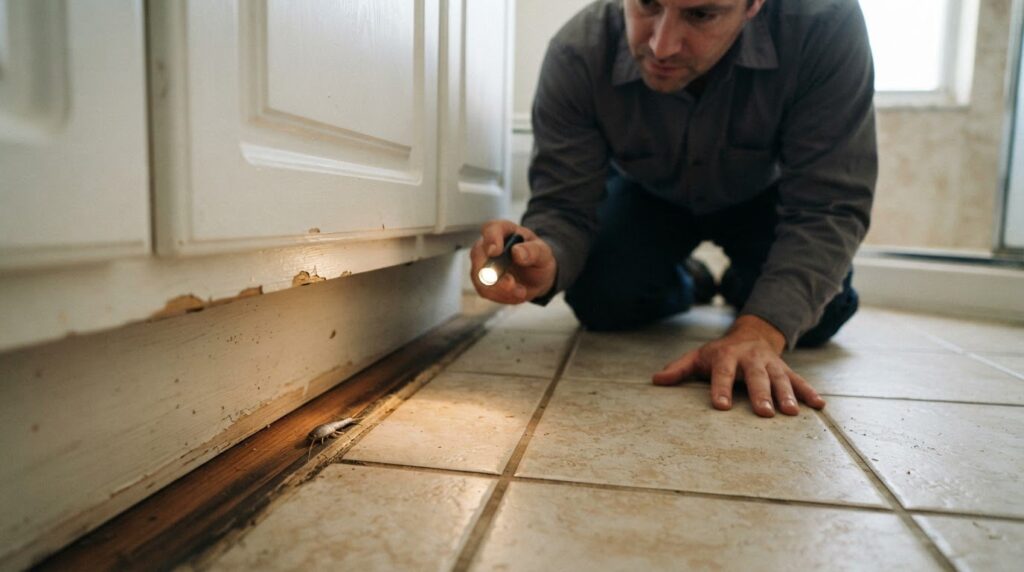
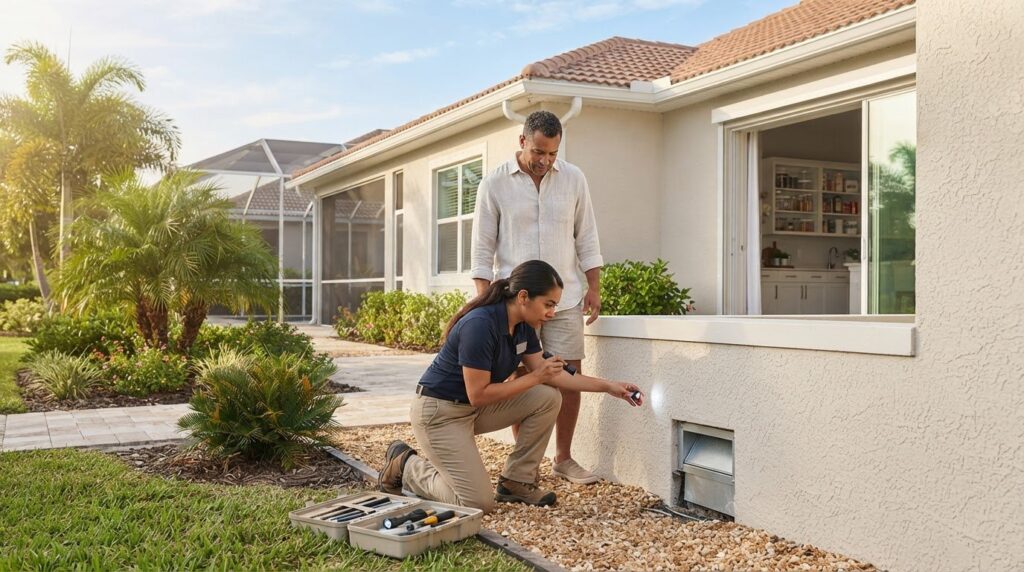
Arrange a professional inspection to trace pest activity to possible entry points. The assessment can cover the garage door’s bottom and side edges, windows, wall cracks, vents, and openings around utility lines. Droppings, rub marks, damaged screens, or repeated insect sightings can help reveal active routes. If pests persist after a gap is sealed, the professional can check nearby openings instead of assuming the first repair solved the problem.
Seal Doors, Windows, and Entry Points Professionally
Have the professional match the repair to each opening’s location and movement. A garage door bottom seal should meet the floor evenly without interfering with door operation, while fixed gaps around trim or masonry may need compatible exterior sealant. The Centers for Disease Control and Prevention recommends sealing every opening larger than 1/4 inch to keep rodents out of a garage. Drainage paths should remain open.
Professional Rodent Exclusion at Entry Points
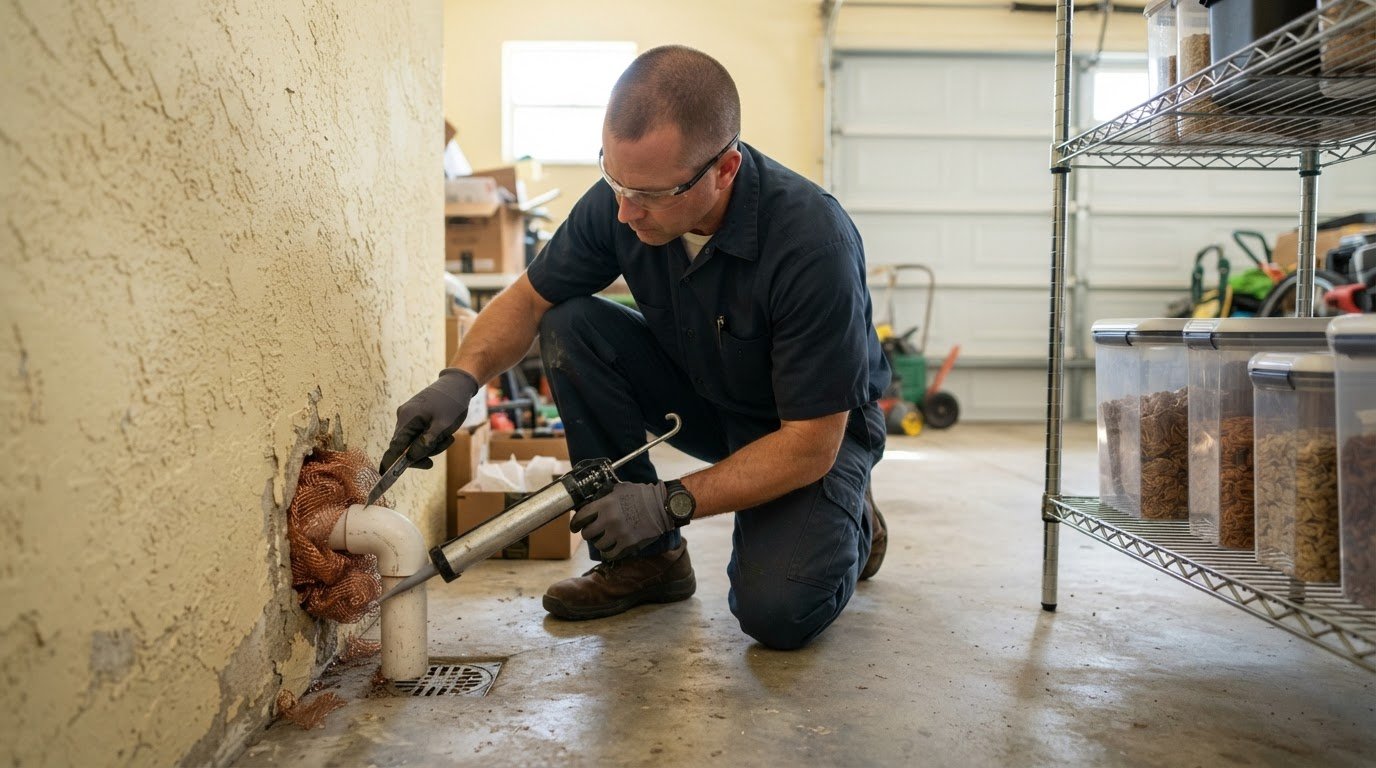
Ask the professional to block rodent routes with materials suited to the opening and surrounding surface. For a small gap, steel wool or copper mesh covered with silicone caulk or concrete patch can help prevent access. Since rodents can chew through some materials, the repair should create a secure barrier rather than leave loose filler exposed. The professional should also check soffits, vents, and utility openings for connected routes.
Professional Ways to Reduce Mosquitoes and Other Pests
Request an exterior check for standing water and sheltered routes near the garage. Water in plant saucers, toys, or tarps can support mosquito activity; a professional can identify these sources and recommend appropriate corrections. For other insects, the assessment can focus on entry points and signs of activity before a response is chosen. If treatment is appropriate, use a product labeled for garage pests and follow its label directions.
Tell the professional if children or pets use the garage so product choice and placement can follow the label’s precautions. The professional can explain which treatment suits the observed pest, where it should be applied, and which directions govern its use. This assessment-led approach helps avoid using a product simply because insects appeared near the door.
Professional Clutter Reduction and Off-Floor Storage
Ask a professional to organize garage storage with access, visibility, and moisture control in mind. They can advise on keeping pet food sealed, trash contained, and seasonal belongings orderly and elevated.
Professionally Clean Garage Storage Areas
Have the professional assess storage areas before cleaning. Items packed against walls can conceal droppings, webs, dampness, or damaged packaging. Clearing corners and shelving makes it easier to spot potential hiding places. The professional can remove loose debris and residue, then identify areas where moisture or clutter needs attention. A clear floor also makes future inspections more effective.
Professional Advice on Storing Pet Food, Trash, and Seasonal Items
Ask for a storage plan that keeps food and waste separate from seasonal belongings. Keep pet food in a tightly closed container and garage trash in sealed bags, not exposed piles. Store seasonal items in sturdy plastic containers rather than cardboard, which can provide hiding places for mice and silverfish. Keep labels visible to make checks easier.
- Arrange frequently used belongings so the professional can inspect the floor, corners, and wall edges without moving a packed stack. Raise stored items at least 6 to 12 inches off the concrete slab, where practical. This clearance makes signs of pest activity easier to spot and reduces concealed nesting space. Keep pathways open around shelves and larger storage units.
- Group seasonal decorations, spare linens, and outdoor equipment by use, then put them in closed containers. A professional can identify cardboard boxes left undisturbed for long periods and recommend replacing them with plastic bins. Avoid packing belongings into dense piles; gaps between containers improve visibility and make moisture or pest evidence easier to notice.
- Ask the professional to note damp storage areas and items that may retain moisture. Cardboard, fabric, and paper are poor choices for a persistently damp corner. Dry belongings before storing them, and address leaks or water intrusion instead of covering the affected area with another box. Moisture can undermine an otherwise orderly storage plan.
- Keep up a simple inspection routine after the professional’s assessment. Check visible shelves and container lids regularly, especially after moving seasonal items or bringing outdoor equipment inside. Look for torn packaging, droppings, gnaw marks, or a new musty odor. If you find these signs, tell the professional where they are and what is stored nearby so they can trace the source.
Common garage pests
Ask a pest professional to identify the pest before choosing a response. An inspection can connect droppings, damaged materials, and seasonal activity with conditions around your garage.
- Have the professional distinguish rodents from insects by their signs. Rats and mice may leave droppings, gnaw marks, or nesting material near stored belongings. They’re known to spread over 35 diseases, making prompt identification important. The inspection should consider whether activity is limited to the garage or continues outside, because nearby routes can affect the response.
- Ask the professional to assess for termites if wood or building surfaces show suspicious changes. Termites can be difficult to spot because activity may remain concealed in structural materials. A professional can look for signs such as mud tubes, bubbling paint, or discarded wings, then determine whether the evidence suggests an active infestation or another issue.
- Request an assessment of spiders, especially if webs appear in quiet corners or around seldom-used equipment. Spiders may become more noticeable in late summer or early fall as temperatures cool. A professional can identify where webs are concentrated and whether nearby insects provide a food source. This helps distinguish occasional sightings from activity that may be spreading.
- Have the professional examine flies and roaches around waste areas, damp surfaces, and garage openings. Flies can harbor more than 100 types of disease-causing pathogens, while roaches may remain concealed around cracks and clutter. The inspection should connect sightings with likely sources, such as exposed trash or residue, rather than treating every insect appearance as the same problem.
- Ask about silverfish and crickets if they appear near stored paper, cardboard, or damp areas. Silverfish can hide among undisturbed belongings, while crickets may enter through gaps and shelter in dark spaces. Crickets can lay hundreds of eggs at one time, so repeated sightings warrant attention. A professional can assess surrounding conditions and choose a response suited to the pest.
- Use weather and timing as context during a professional inspection, not as a substitute for identifying the pest. Florida’s warm conditions can support activity across seasons, while temperature changes may make some pests more visible. Share when and where you see pests, and whether activity has spread to nearby rooms. These details help the professional distinguish a passing visitor from an infestation that needs a targeted plan.
- Keep a brief record for the professional, noting the pest’s appearance, location, and any changes after treatment. Repeated roach sightings near one wall, for example, differ from a single fly near the garage door. Avoid moving suspected nesting material or disturbing insects before the inspection; their location can help reveal the source and guide an appropriate response.
Snakes and other potentially dangerous pests in South Florida
Snake sightings require a different response from ordinary insect activity. A professional assessment in Palmetto, Parrish, Bradenton, or Sarasota can distinguish snake concerns from signs of rodents, termites, or roaches.
- Keep the response to a snake sighting professional. South Florida has 34 native snake species, and four are venomous. Don’t try to identify or handle a snake yourself; a snake infestation should be handled by trained professionals. Share where it appeared and whether it was inside the garage or near the entrance. That location helps guide the inspection.
- Ask the professional to assess conditions that may give snakes shelter near the garage. Dense vegetation, stored materials, and concealed openings can make activity harder to spot. The assessment should consider routes from outdoor cover to the structure, then identify access points and nearby conditions that may need attention.
- Have the professional check for signs of rodents and insects that could indicate a broader pest issue. Droppings, gnaw marks, webs, and insect activity can point to different sources. Identifying the pest matters: a response intended for roaches, for example, may not address rodents or a snake’s entry route. The professional can connect the evidence to a targeted plan.
- Ask for a review of cracks, gaps, and stored materials that could conceal activity. Cardboard boxes can provide hiding places, while clutter can obscure signs an inspection needs to find. A professional can identify areas to clear or organize and openings that need sealing. These steps can reduce shelter and make later activity easier to detect.
- Ask which product, if any, suits the pest and garage setting. For pesticide use, choose a product labeled for garage pests and follow its label directions. The label governs use, including its stated precautions. Tell the professional if children or pets use the garage so placement and treatment can follow the label instructions.
- Request a clear explanation of the findings before treatment begins. A useful assessment distinguishes a one-time sighting from repeated evidence, identifies the pest and its likely route, and explains which conditions need correction. Snake concerns call for trained professional handling; sealing an opening alone won’t remove a snake already inside.
- For a professional assessment of snake or pest activity around the garage, request pest-control help. Share the location and timing of sightings, plus any signs such as droppings, damaged materials, or shed skin. Those details help focus the inspection and shape a response around the pest involved.
Outdoors Done Right
Outdoors Done Right can address outdoor conditions that make a garage more inviting to pests. If shrubs touch siding, standing water collects near the structure, or the layout creates sheltered routes, thoughtful landscape changes can support prevention. Landscape by Design of Palmetto Construction can shape a clearer perimeter, while Irrigation and Sprinkler Systems can help manage watering around the property.
Consider this next step when recurring pest activity seems connected to vegetation, drainage, or the area just outside the garage. Looking at the landscape and structure together can help homeowners make practical changes without treating outdoor design as a substitute for pest assessment.
Contact Landscape By Design Of Palmetto to discuss your property’s landscape needs.
Make Prevention Part of Your Property’s Care
A thoughtful plan for preventing pests in a Florida garage can extend beyond the garage itself. Outdoor conditions change over time: plants grow, irrigation patterns shift, and storage habits can create new conditions around the structure. Treat prevention as an ongoing part of property care, paying attention to how the garage and its surroundings affect one another.
When landscape conditions contribute to pest pressure, a coordinated property plan can address them while preserving appearance and function. Landscape By Design Of Palmetto offers Landscape Design, Hardscapes and Retaining Walls, and Irrigation and Sprinkler Systems for thoughtfully planned outdoor spaces. The next step is to discuss the conditions around your home and the improvements that fit your priorities.
Contact Landscape By Design Of Palmetto to discuss your property. A well-considered approach can help you move toward a more orderly, comfortable home environment.
Frequently Asked Questions
How can a professional keep mice and rodents out of a garage?
A pest professional can identify active rodent routes and combine exclusion with a targeted control plan. For preventing pests in a Florida garage, they may also assess whether activity is linked to openings around vents or utility lines. If trapping is appropriate, snap traps let the professional control where a rodent is caught. Bait stations are generally placed outdoors because a rodent may die somewhere unpredictable after consuming bait.
When should I call a professional pest control service?
Call when signs return after cleanup, appear in several parts of the garage, or suggest concealed activity. Examples include fresh droppings, repeated roach sightings, damaged stored items, or termite wings near a window. A snake sighting is a separate concern: don’t try to capture or identify it yourself. A professional can assess the evidence and determine whether the source is inside the garage or nearby.
Can a professional determine whether a new bottom seal will keep pests out?
Yes. A professional can assess whether the existing seal is worn and whether the garage floor is even enough for consistent contact. The inspection also considers the seal’s fit with the door retainer and whether the door closes smoothly. If gaps remain at the lower corners or along the sides, replacing only the bottom seal may leave other routes open.
What pests commonly enter garages in Florida?
Garages in Florida may attract rodents, termites, roaches, spiders, flies, silverfish, and crickets. Their signs differ: termites may leave discarded wings, rodents may gnaw stored materials, and spiders build webs in quiet corners. Silverfish often hide among stored paper or cardboard. Identifying the pest matters because treatment aimed at flying insects won’t address rodent activity or concealed termite evidence.
How can a professional seal a Florida garage against insects and rodents?
A professional starts by matching visible pest activity with possible openings, including gaps around windows, vents, door frames, and utility lines. A thorough approach to preventing pests in a Florida garage also considers that a stationary wall crack needs a different repair from a moving door edge. If sightings continue after a repair, a broader inspection can reveal overlooked routes or newly damaged screens.
When do Florida garage pest problems require a licensed pest-control professional?
Consider a licensed pest-control professional when activity persists, spreads, or involves a difficult-to-identify pest. Snake concerns should be handled by trained professionals, not by attempting capture. For pesticide treatment, a professional can assess the pest and choose an appropriate application; the product label governs its use and precautions. Homeowners in Palmetto, Parrish, Bradenton, and Sarasota can seek help suited to local property conditions.
Are there Florida rules or label requirements for using pesticides around homes?
Use a product labeled for garage pests and follow its label directions, including precautions for children and pets.
How often should Florida homeowners inspect and treat a garage for pests?
Check visible shelves and container lids regularly, and inspect the garage door seal every few months and after major storms. Base pest inspections and treatment timing on signs of activity, moisture, and entry points.