Credit: Chris Marble, UF/IFAS
A Practical Guide for Homeowners and Landscapers
Torpedograss (Panicum repens) is a persistent, invasive weed commonly seen in Florida lawns and ornamental beds. Its rapid, aggressive growth can quickly dominate landscapes, posing a frequent challenge for homeowners and landscapers. Learning about torpedograss and effective control methods is essential for keeping outdoor areas healthy and attractive.
Biology of Torpedograss
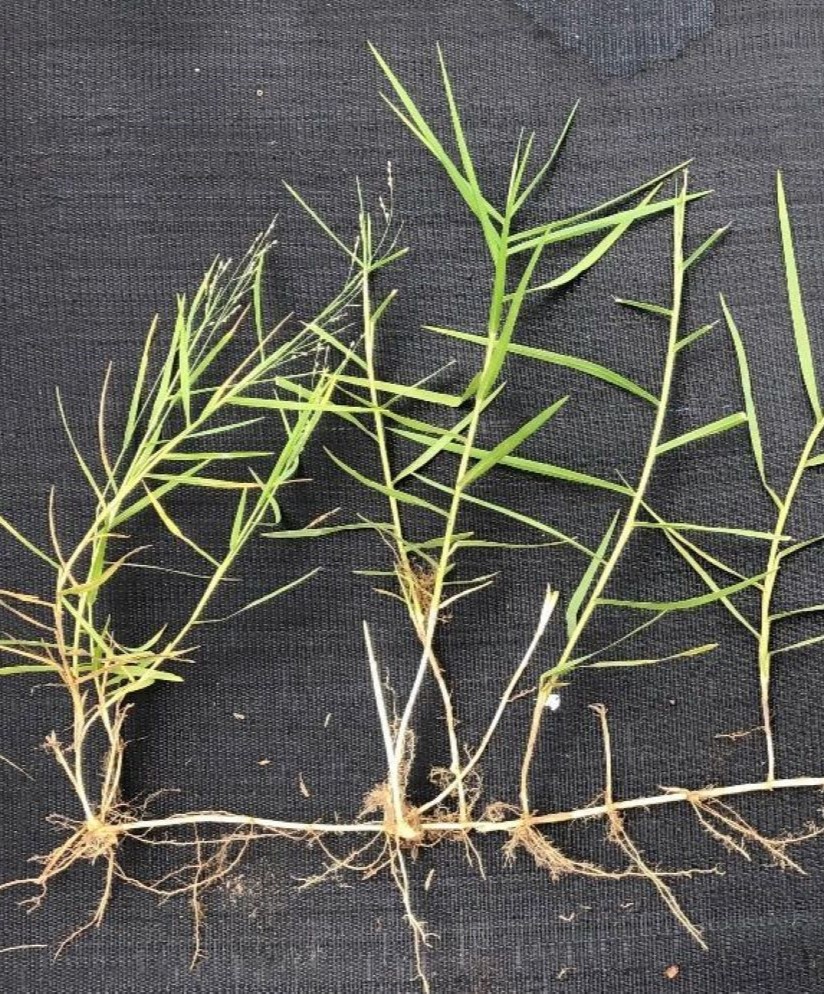
Torpedograss is a perennial grass with creeping rhizomes enabling it to spread quickly above and below ground. It features stiff, pointed leaves and can grow up to three feet high if not controlled. Its main reproduction method is through underground stems, which makes it hard to eliminate once established. Key identification signs are its spear-shaped leaf tips and horizontal growth habit.
Growth Habits
Torpedograss flourishes in moist, sandy soils and can withstand drought and flooding, which accounts for its prevalence in Florida’s varied climate. It frequently invades lawns, ornamental beds, and aquatic zones, crowding out desirable plants by creating dense mats.
Reproduction and Spread
This weed primarily spreads vegetatively via rhizomes, but it can also produce seeds. Since rhizomes break easily and each fragment can grow into a new plant, mechanical removal is difficult. Its hardy nature allows even small pieces remaining in the soil to regrow.
Control Methods
Controlling torpedograss involves using a mix of methods. Cultural, mechanical, and chemical strategies all have roles, tailored to the infestation level and landscape type.
Cultural Control
Keeping a healthy lawn is essential. Correct mowing, fertilization, and watering help desirable grasses outgrow torpedograss. In ornamental beds, mulching can prevent new shoots and limit spread.
Mechanical Control
Hand-pulling or digging out torpedograss works well for small patches, but it’s important to remove all rhizome pieces. For bigger infestations, repeated mowing or tilling can reduce the weed’s strength, although it usually doesn’t eradicate it completely.
Chemical Control
Herbicides are frequently essential for severe infestations. Glyphosate and other broad-spectrum herbicides can effectively kill torpedograss but might also damage preferred plants. To limit unintended harm, spot treatments and precise application are advised. Multiple applications may be needed to achieve full control.
Pesticide Use: Types, Effectiveness, and Safety
When applying pesticides, always choose products labeled for torpedograss and adhere to all safety instructions. Non-selective herbicides like glyphosate work well but should be used carefully to prevent damage to turfgrass or ornamental plants. Some selective herbicides are suitable for lawns, but their effectiveness depends on the grass type and the timing of application.
- Effectiveness:
Pesticides may offer only temporary relief and might not completely eliminate torpedograss. For optimal results, combining chemical treatments with cultural and mechanical methods is recommended.
- Safety Considerations:
Always read and adhere to label instructions. Use protective gear and keep pets and children away from treated areas until the product has dried or as specified.
Future Outcomes: Trends and Challenges
As Florida’s climate persistently supports torpedograss growth, research is ongoing to find more effective and eco-friendly control strategies. Landscape professionals are increasingly adopting sustainable approaches, including better turf management and precise herbicide application. The main challenge is that torpedograss is highly adaptable, so developing new solutions will necessitate a blend of scientific research, ongoing vigilance, and community education.
Potential Solutions
Integrated pest management (IPM) strategies—which combine cultural, mechanical, and chemical methods—are the most effective approach. Improvements in herbicide technology and breeding more competitive turf species could provide additional options for controlling torpedograss.
Key Takeaways and Recommendations
Torpedograss poses a significant challenge in Florida lawns and ornamental beds, yet with accurate identification and a comprehensive control plan, it can be effectively managed. Emphasize keeping turf healthy, apply mechanical and chemical control methods as necessary, and stay updated on the latest advancements. Using a combination of these strategies allows homeowners and landscapers to maintain attractive and resilient landscapes.