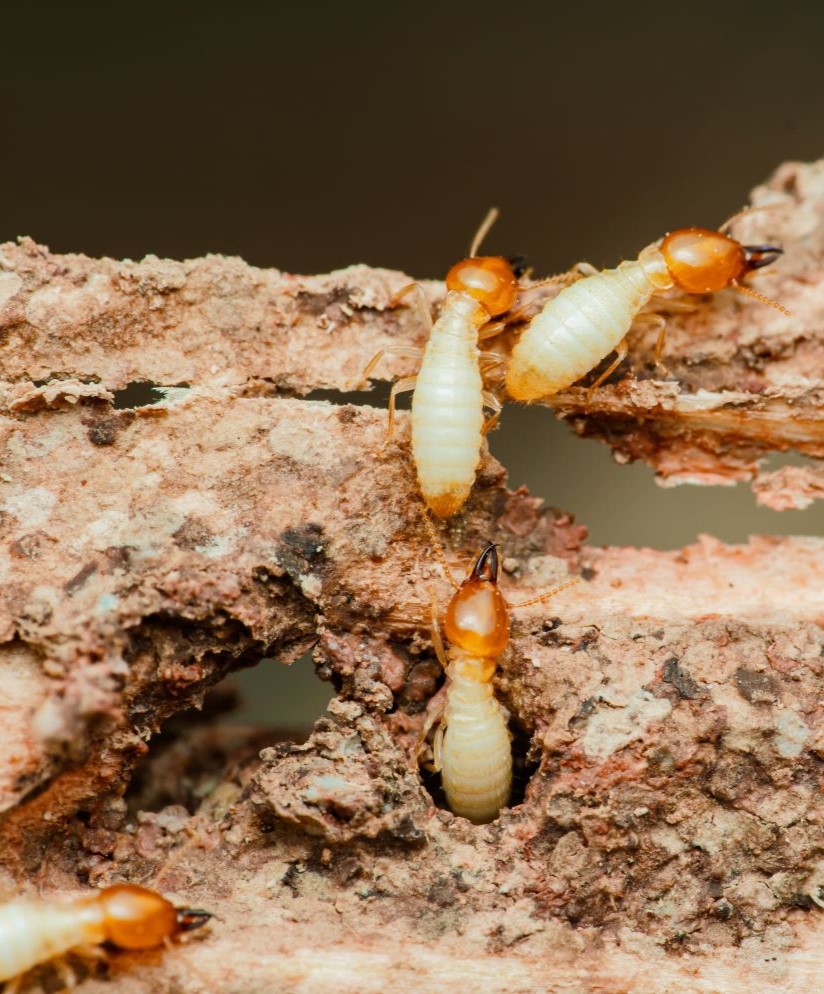
Invasive species have long been a challenge for ecosystems, agriculture, and city infrastructure worldwide. Among these, termites are especially known for causing a lot of damage. Recent research by Dr. Thomas Chouvenc et al. highlights a new concern: the ongoing spread and hybridization of two major invasive termite species, leading to the development of a hybrid Coptotermes termite. In this blog, we’ll look into what this discovery could mean for the environment and our communities, and how it might impact us all.
Background: The Invasive Coptotermes Termites
Coptotermes is a fascinating genus of termites that includes some of the most invasive and damaging species around the world. Notable examples are Coptotermes formosanus, known as the Formosan subterranean termite, and Coptotermes gestroi, called the Asian subterranean termite. Sadly, both species have been unintentionally introduced to many regions through global trade and human movement, leading to invasive populations far from their original habitats. Their remarkable ability to consume wood and cellulose materials has resulted in billions of dollars in structural damage each year, highlighting the importance of understanding and managing these pests, especially in our Sunshine State.
The Discovery: Hybridization and Human-Mediated Spread
Dr. Thomas Chouvenc’s research highlights that these two invasive species are not only spreading because of human activity but are also crossing in regions where they coexist. Hybridization—the process where two different species breed together—can sometimes produce offspring with improved survival abilities, known as “hybrid vigor.” In cases of invasive termites, this could lead to the emergence of a new hybrid termite that is even more destructive and adaptable than its parent species, a claim yet to be tested in this scenario.
Potential Impacts of the Coptotermes Hybrid Termite
- Increased Destructive Power:
The hybrid might take on the most aggressive and brutal qualities from both parent species. This could help it grow colonies more quickly, use wood more efficiently, and stand strong against environmental challenges and control efforts.
- Expanded Geographic Range:
If the hybrid is able to tolerate a wider range of climates and environments, it could establish itself in areas previously unsuitable for either parent species. This expansion could result in new infestations in additional regions, especially urban centers. According to the study, “the F1 colonies have a broad thermal tolerance that encompasses the minimal/maximum thermal tolerances of the two parental species. This implies that the hybrid colonies can establish within the cumulative potential distribution ranges of the two parental species, increasing the likelihood of establishment success as their spread is further facilitated by human-mediated activity.” (Chouvenc et al., 2025)
- Challenges for Pest Management:
Traditional termite control methods are generally species-specific. The development of a hybrid with distinct behavioral or physiological traits could make current management strategies less effective, necessitating new research and approaches. It is “unknown if current pest management approaches will be similarly effective against hybrid colonies.” (Chouvenc et al., 2025)
- Ecological Consequences:
The hybrid termite’s adaptability might disrupt local ecosystems, outcompeting native termite species and changing nutrient cycles in affected areas.
Why Human Activity Matters
Dr. Chouvenc’s study highlights the crucial role human activity plays in spreading and mixing invasive termite species. The movement of infested wood, shipping containers, and construction materials across different regions, as well as “privately owned leisure boats” (Chouvenc et al., 2025), promotes their expansion and hybridization. This underscores the need for stricter biosecurity measures and greater public awareness to prevent further accidental introductions.
Looking Ahead: What Can Be Done?
The discovery of the Coptotermes hybrid termite serves as a wake-up call for scientists, pest management experts, and policymakers. Continued research will be crucial to fully understand the hybrid’s biology, behavior, and impact. Meanwhile, improved monitoring, early detection efforts, and stricter regulations on the movement of wood and soil could help slow the spread of these invasive pests.