Florida’s Zone 10a features a subtropical climate with typically mild winters. However, sudden temperature drops can challenge ornamental gardens. Understanding these effects and responding appropriately helps keep your garden healthy and beautiful throughout the year.
How Temperature Swings Affect Ornamental Garden Beds in Zone 10a
Ornamental garden beds, typically made of tropical foliage, flowering annuals, and perennials, thrive in warm weather but are particularly vulnerable to cold snaps. Sudden drops in temperature can damage cells, cause leaf burn, lead to wilting, or kill delicate plants. Even short periods of cold stress can disrupt blooming and reduce overall vigor, while repeated temperature fluctuations can weaken your garden beds, making them more susceptible to pests and diseases.
Preparing and Protecting Your Ornamental Garden Beds
- Choose the Right Plants:
Select ornamental varieties proven to thrive in your zone. Native and well-adapted plants are more likely to withstand temperature swings.
- Monitor Weather Forecasts:
Keep a close eye on local predictions, especially in winter when cold fronts are most common.
- Mulch Generously:
Apply a thick layer of mulch to your garden beds to insulate roots and maintain soil warmth.
- Water Wisely:
Water the soil ahead of a cold snap—moist soil retains heat better—but avoid excess moisture that can cause root issues.
- Cover Sensitive Plants:
Drape frost cloths, old sheets, or blankets over vulnerable sections of your ornamental beds when cold nights are forecast. Remove covers during the day to allow for sunlight and proper airflow.
- Move Container Plants Indoors:
Relocate pots or planters from your garden beds into protected spaces like garages or patios when extreme weather is predicted.
What to Do After Ornamental Beds Are Damaged
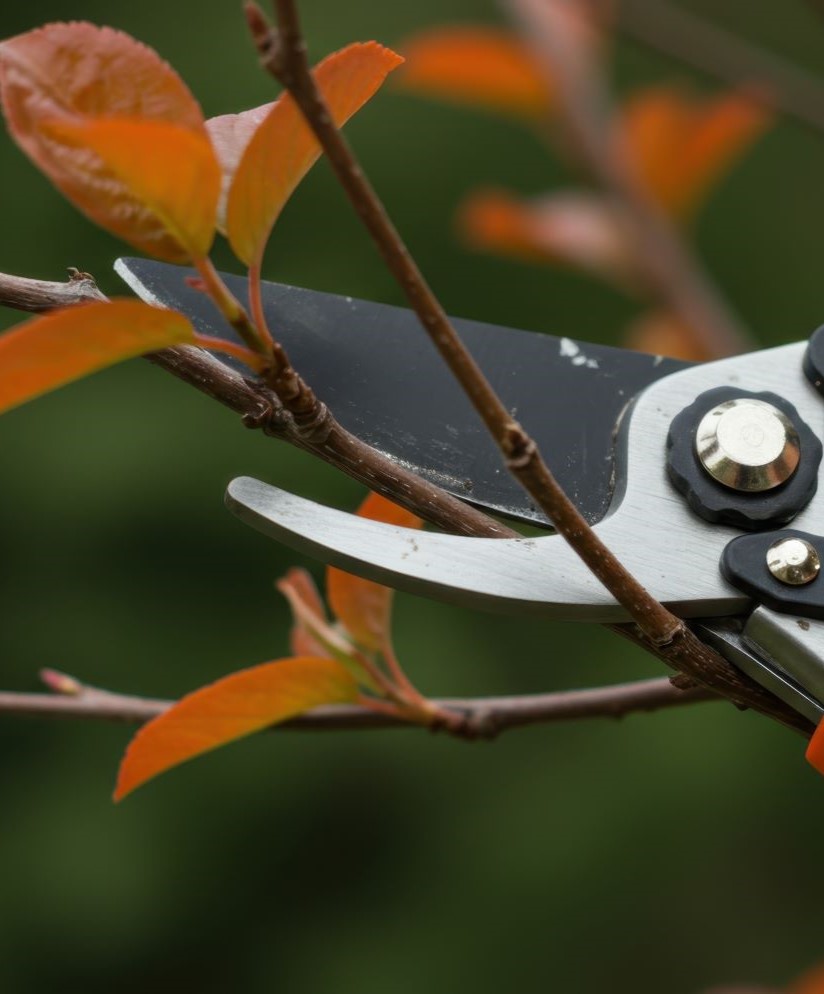
If your garden beds experience stress or damage from temperature fluctuations, avoid the temptation to prune the affected leaves or stems immediately. Instead, wait until the risk of additional cold weather has passed—typically late winter or early spring—before performing significant pruning. Damaged foliage can serve as a protective barrier, shielding the healthy tissue underneath.
Keep watering the drought-stressed beds moderately and refrain from fertilizing until new growth emerges, giving your plants time to recover naturally. Only trim dead parts after a few weeks, when healthy tissue is clearly visible. Patience is essential—many ornamental plants bounce back from cold damage with careful attention and time.
Temperatures fluctuate in Florida’s Zone 10a, but careful planning and regular maintenance can minimize harm and promote healthy growth in your ornamental gardens. Stay vigilant, apply protective actions when necessary, and be prepared to rehabilitate your beds after sudden weather changes. With effective strategies, your Florida landscape will stay lively and sturdy throughout the year.