Understanding Biology, Pest Pressure, Reproduction, and Control Methods
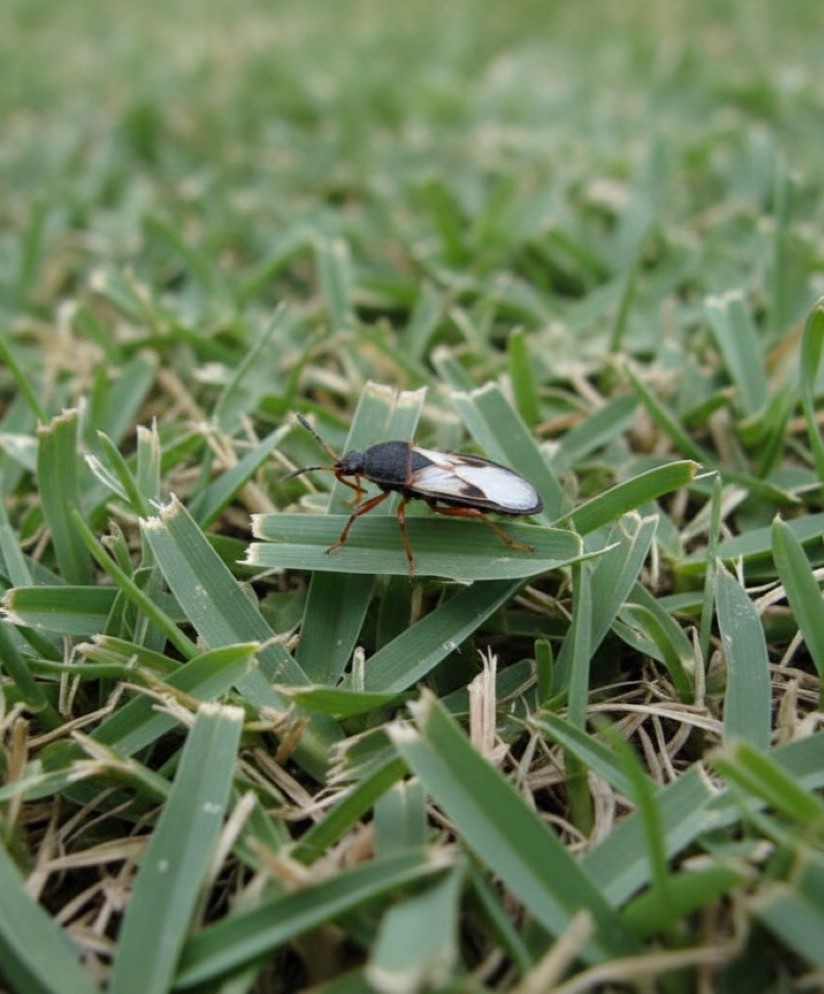
The southern chinch bug (Blissus insularis) is a significant pest for St. Augustine grass, which is the most widely used turfgrass in Florida. These tiny black-and-white insects feed on the stems and crowns of the grass, leading to yellowing, wilting, and eventually death in affected areas. Their damage becomes most noticeable during hot, dry conditions when the turf is under the greatest stress.
Biology and Life Cycle
Southern chinch bugs experience incomplete metamorphosis, transitioning from egg to nymph to adult. Females deposit eggs within the thatch layer, which hatch in a few days. Nymphs look like smaller, wingless versions of adults. Both nymphs and adults feed on plant juices through piercing-sucking mouthparts. Under optimal conditions, their life cycle can be finished in just four to six weeks, enabling multiple generations annually.
Pest Pressure and Reproduction
Pest pressure from southern chinch bugs peaks from late spring to early fall, usually between May and September. Warm, dry conditions speed up their reproduction, leading to rapid population growth in stressed or poorly maintained turf. These bugs favor thick thatch and sunny spots, which makes St. Augustine lawns particularly susceptible. Severe infestations can kill large turf areas in just a few weeks.
Control Methods
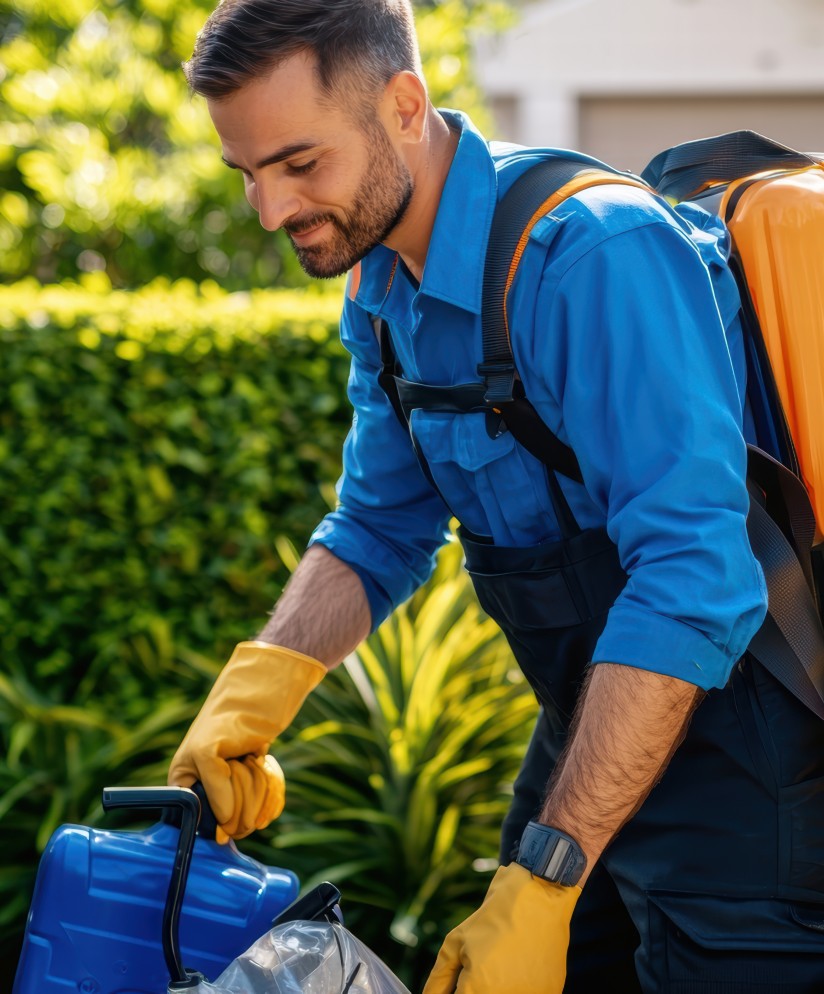
Effective control requires a comprehensive approach. Regular turf care—like mowing at the proper height, reducing thatch, and ensuring correct irrigation—helps keep chinch bug numbers low. In severe cases, chemical methods might be needed; use insecticides approved for chinch bug control according to the instructions. It’s important to rotate different insecticides to prevent bugs from developing resistance. Biological methods, such as promoting natural predators like big-eyed bugs, ants, minute pirate bugs, and spiders, can also help reduce populations. Regular monitoring for early damage signs and spot-treating affected areas can stop widespread turf damage.
By understanding the biology and behavior of southern chinch bugs, homeowners and lawn care professionals in Florida can improve their ability to defend St. Augustine turf against this persistent pest.