Understanding Irrigation Basics and Municipal Requirements for Backflow Prevention
What Is an Irrigation System?
An irrigation system consists of various components that deliver water to plants, landscapes, or farms in a controlled way. Its main purpose is to supplement natural rainfall, providing enough moisture for healthy plant growth. Modern systems vary from basic hose setups to advanced underground networks with timers, sensors, and automation.
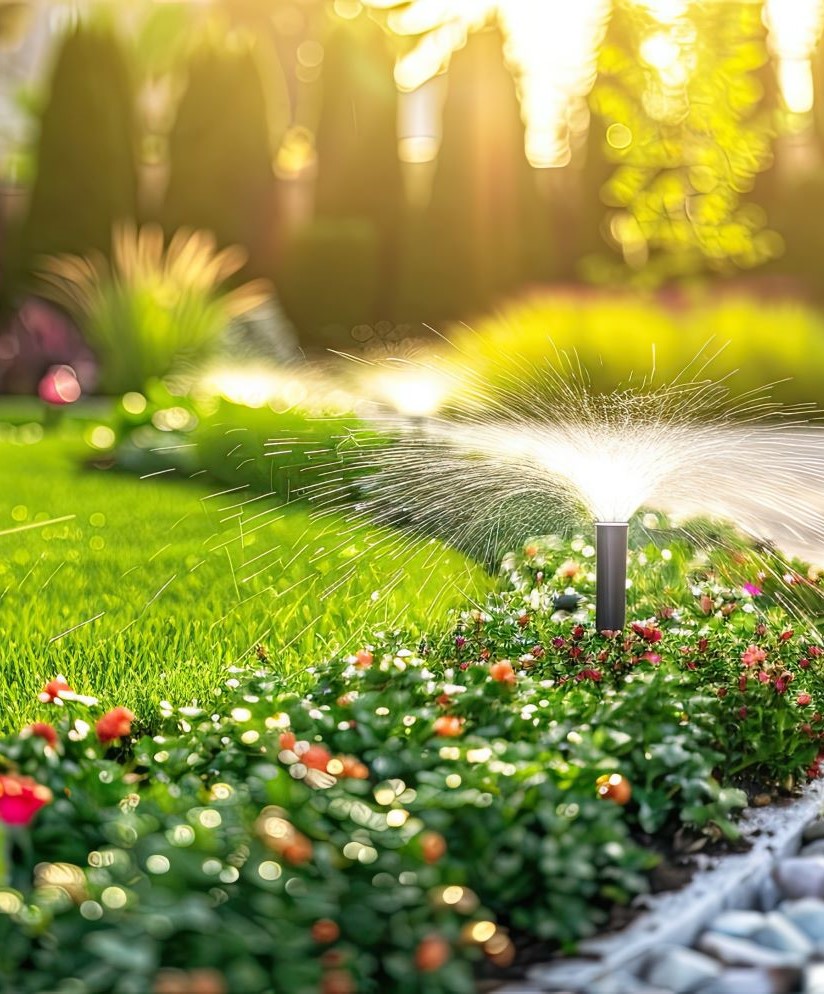
The main types of irrigation systems are drip irrigation, which supplies water straight to plant roots; sprinkler systems that simulate rainfall by spraying water over a broad area; and surface irrigation, which spreads water across the soil surface. Each method offers distinct benefits based on the climate, soil conditions, and plant requirements.
Key Components of an Efficient Irrigation System
- Controller/Timer: Automates watering schedules to prevent over- or under-watering.
- Pipes and Tubing: Transports water from the source to the distribution points.
- Sprinkler Heads or Drip Emitters: Dispense water in a controlled pattern or quantity.
- Valves: Control water flow to different zones or sections.
- Moisture Sensors: Monitor soil conditions and adjust watering accordingly.
Steps to Setting Up an Irrigation System
- Assess Your Landscape:
Identify the areas needing irrigation and determine the water requirements for different plant types.
- Design the Layout:
Plan the placement of pipes, valves, and sprinkler heads or drip emitters for uniform coverage.
- Choose the Right Equipment:
Select components suited to your landscape size and local climate conditions.
- Install the System:
Follow manufacturer instructions to lay out pipes, connect valves, and set up the controller.
- Test and Adjust:
Run the system to check for leaks, coverage gaps, or over-saturation, making adjustments as needed.
- Maintain Regularly:
Clean filters, check for clogs, and inspect for wear and tear to ensure optimal performance.
Why Do Some Municipalities Require Backflow Preventers?
A backflow preventer is a device installed in plumbing systems to stop contaminated water from flowing back into the public water supply. In irrigation systems, backflow can occur when water pressure drops, potentially allowing fertilizers, pesticides, or other pollutants to enter the drinking water line.
Many municipalities require backflow preventers on irrigation systems to protect public health. These laws ensure the water supply remains safe for all. Typically, homeowners and property managers must install certified devices and have them inspected annually by licensed professionals.
Common types of backflow preventers include pressure vacuum breakers, double check valves, and reduced pressure zone devices. The specific type required may depend on local codes and the complexity of the irrigation system.
Tips for Managing Your Irrigation System Efficiently
- Use smart controllers and sensors to automate watering based on actual soil moisture and weather conditions.
- Inspect your system regularly for leaks, broken sprinkler heads, or clogged emitters. Schedule irrigation during early morning or late evening to minimize water loss due to evaporation.
- Keep up with municipal inspections and maintenance requirements for backflow prevention devices.
- Adjust your watering schedule seasonally as plant needs and rainfall amounts change.
Establishing and maintaining a proper irrigation system conserves water and promotes a healthy, attractive landscape. Understanding the basics of irrigation and adhering to local regulations — such as installing backflow preventers — are essential aspects of responsible property care. Thoughtful planning, correct installation, and regular upkeep enable you to have vibrant gardens while safeguarding your community’s water supplies.