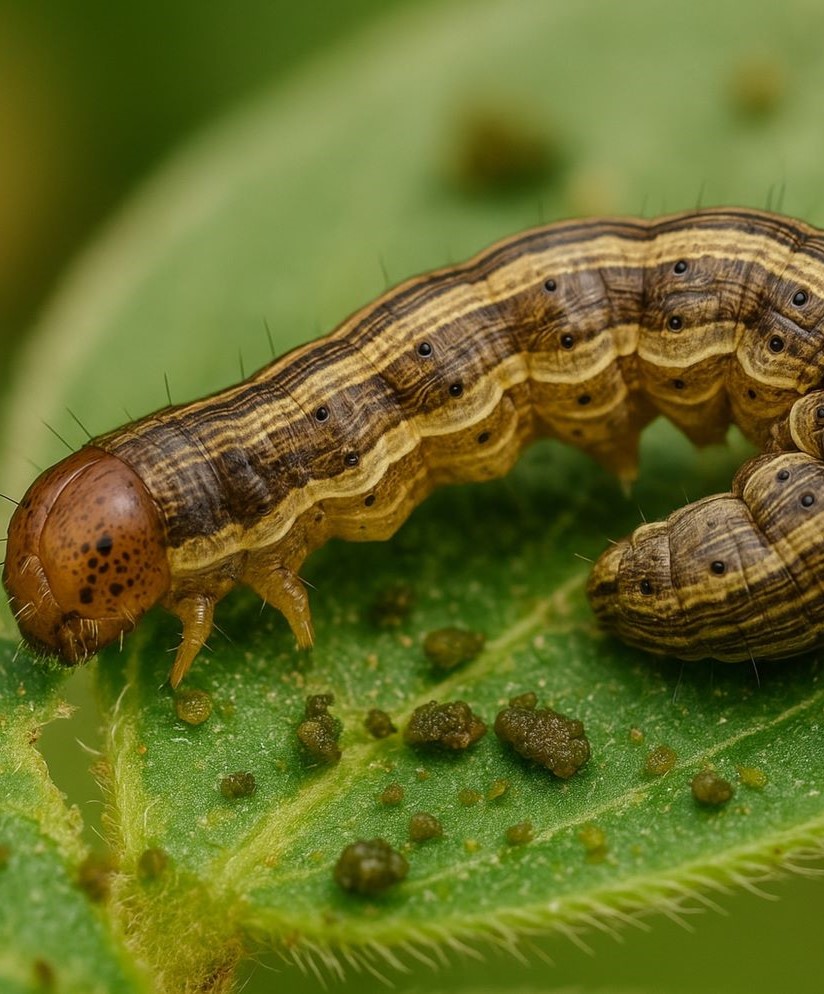
Florida’s vibrant lawns are an essential aspect of the state’s landscape, providing both aesthetic appeal and recreational spaces for residents. Nonetheless, a persistent threat lurks beneath the bright green turf: the armyworm. This voracious pest, particularly the fall armyworm (Spodoptera frugiperda), has the potential to rapidly damage turfgrass in just a few days, prompting homeowners and groundskeepers to urgently find effective solutions.
Understanding the Threat to St. Augustine Grass
St. Augustine grass is particularly vulnerable to fall armyworm infestations because of its dense growth and widespread use across Florida. The larvae feed voraciously on the blades, causing swift and significant damage. Lawns affected by these pests can rapidly turn from lush green to brown, developing patchy areas as the caterpillars consume the foliage. Indicators of an armyworm problem include ragged leaf edges, thinning turf, and heightened bird activity as the birds prey on the larvae.
The Armyworm Life Cycle
The armyworm experiences complete metamorphosis with four separate stages: egg, larva, pupa, and adult. Knowing this cycle is essential for effective control strategies.
Egg Stage
Armyworm moths lay their eggs in clusters, typically on grass blades or other plants. Each cluster can contain dozens to hundreds of eggs, often enveloped in a fuzzy protective coating. In Florida’s warm climate, these eggs hatch rapidly, sometimes within just 2-4 days.
Larval Stage
When the armyworm hatches, it begins its most harmful stage: as a larva or caterpillar. Over 2-4 weeks, these larvae voraciously feed on turfgrass, often moving in tight groups that look like an army—hence the name. They molt multiple times, each time growing bigger and more damaging. Younger instars may only skeletonize leaves, but mature larvae can completely defoliate a lawn overnight, leaving behind brown, patchy turf.
Pupal Stage
After feeding as larvae, armyworms burrow into the soil or thatch layer to pupate. In this stage, they metamorphose into adult moths. The pupal period generally lasts 8-30 days, depending on environmental factors. After emerging, adult moths start the cycle again by searching for appropriate turfgrass to lay eggs.
Adult Stage
Adult armyworm moths are active at night and can cover large distances to seek out new turfgrass areas. Their rapid reproduction ability allows for recurring outbreaks throughout the growing season, particularly in warm, humid environments like Florida.
Prevention and Management Strategies
To effectively prevent fall armyworm damage to St. Augustine grass, use a mix of cultural, biological, and chemical methods. Regularly inspect your lawn during peak armyworm periods, such as late summer and early fall. Early detection enables quick action to prevent severe damage. Keeping the lawn healthy with proper fertilization and irrigation supports faster recovery from minor infestations.
- Cultural Controls:
Mow turfgrass to recommended heights and refrain from over-fertilizing, since dense growth can attract armyworm moths. Clear thatch and debris where eggs might be laid.
- Biological Controls:
Support natural predators like birds and beneficial insects. Using insecticides based on natural substances, such as Bacillus thuringiensis (Bt), can effectively target larvae while avoiding harm to beneficial organisms.
- Chemical Controls:
If armyworm populations become damaging, consider applying targeted insecticides approved for turfgrass. Always adhere to label instructions to reduce risks to people, pets, and the environment.
Fall armyworms pose a significant threat to St. Augustine grass, but understanding their lifecycle and taking proactive prevention measures can protect your lawn from serious damage. Staying vigilant and using integrated pest management strategies help homeowners and groundskeepers minimize pest damage and keep Florida’s turfgrass healthy and resilient.