What You Need to Know to Protect Your Home
Bed bugs are becoming an increasingly common concern for residents all across Florida. Thanks to the warm climate and lively tourism scene, these tiny pests can effortlessly move from hotels and apartments right into your home. In this article, we’ll walk you through how to spot bed bugs, deal with infestations, and keep them from coming back, all with Florida’s unique environment in mind.
How to Identify Bed Bugs
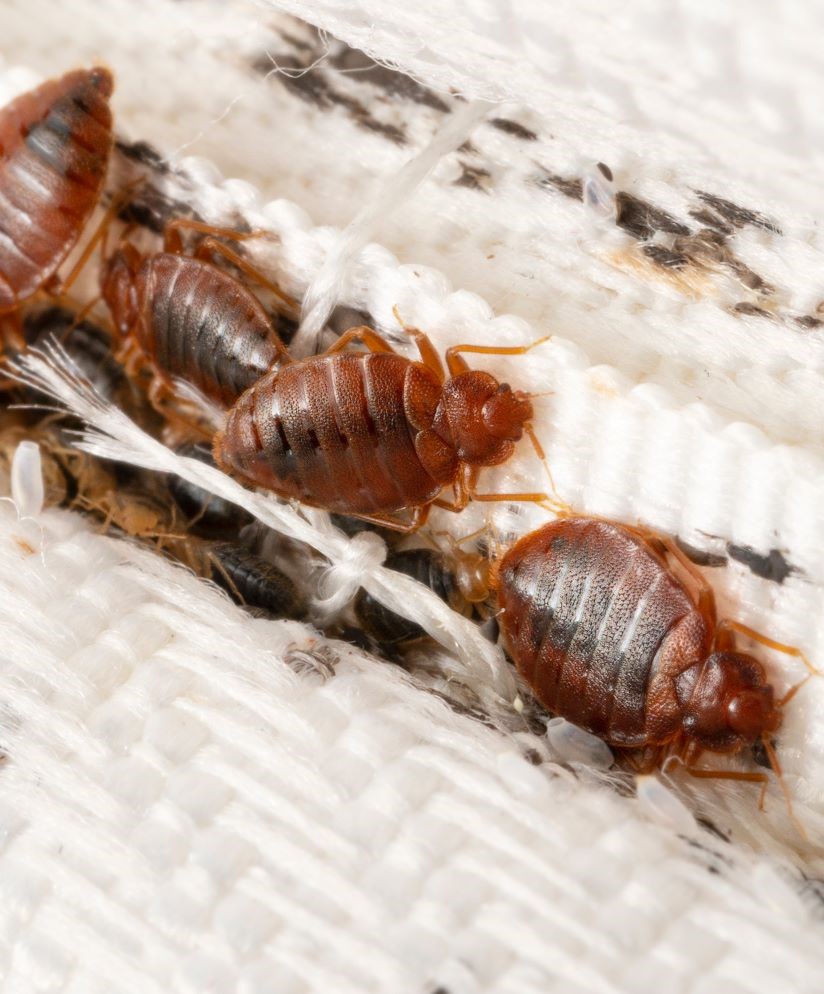
Bed bugs are tiny, flat, oval-shaped insects that love to feed on the blood of humans and animals. Adult bed bugs are about the size of an apple seed (4–5 mm long), with a reddish-brown color, and they become a bit swollen after feeding. The younger ones, called nymphs, are smaller and lighter in color, making them a bit harder to spot.
- Physical Appearance: Look for tiny, reddish-brown, broadly flattened, ovoid insects with six legs and greatly reduced wings.
- Signs of Infestation:
- o Small dark spots or stains on mattresses, sheets, or pillowcases—indications of bed bug excrement.
- o Small white eggs and shed skins can be found in mattress seams or furniture crevices.
- o Itchy, red bites often appear on exposed skin, usually in lines or clusters, resulting from bed bugs probing blood vessels for food.
- o A strong, sweet, musty smell in rooms with heavy infestation.
Common hiding spots for bed bugs include mattress seams, box springs, bed frames, headboards, upholstered furniture, baseboards, behind wallpaper, and electrical outlets.
The life cycle of bed bugs
The life cycle of bed bugs includes the stages of egg, nymph, and adult. Females deposit tiny, shiny white eggs in hidden crevices, which hatch within 6 to 17 days. The newly hatched nymphs look like miniatures of adults but are smaller and nearly transparent; they must consume a blood meal to advance to the next stage. Bed bugs go through five nymphal stages, each requiring a blood meal, before becoming adults. In Florida’s warm climate, this cycle can be completed in just about a month, allowing their populations to grow quickly if infestations are not managed early.
Treating a Bed Bug Infestation
If you think you have bed bugs in your Florida home, respond promptly. Bed bugs are hardy and difficult to eliminate without a thorough strategy.
- 1. Confirm the infestation: Use a flashlight to check beds, furniture, and cracks.
- 2. Declutter and clean the affected areas by removing unnecessary items from infested rooms. Wash bedding, clothing, and curtains in hot water and dry them on high heat.
- 3. Thoroughly vacuum mattresses, furniture, carpets, and baseboards on a regular basis. Ensure that you dispose of the vacuum bag in a sealed plastic bag outside your home.
- 4. Encase mattresses and box springs with bed bug-proof covers to trap bugs and prevent their escape.
- 5. Apply Treatments:
- o Use EPA-approved insecticides specifically labeled for bed bug control, and ensure you follow all safety instructions.
- o In Florida, professional pest control services frequently employ heat treatments that increase room temperatures to lethal levels for bed bugs.
- o Repeat treatments as necessary: Bed bug eggs may survive initial efforts. Continue cleaning and applying treatments every 7–10 days until the infestation is eliminated.
Preventing Bed Bugs in Florida
Prevention is essential, particularly in Florida’s high-risk zones such as hotels, apartments, and vacation rentals.
- Inspect lodging carefully by checking hotel beds and furniture for signs of bed bugs before unpacking. Always keep luggage off the floor and beds.
- Protect your home by sealing cracks in walls, floors, and furniture. Add door sweeps and minimize clutter.
- Use protective covers by encasing mattresses and box springs in bed bug-proof covers.
- Use anti-climbing devices known as interceptors, positioned beneath furniture legs, to catch bugs attempting to climb up or down.
- Exercise caution with secondhand items: only bring used furniture, mattresses, or clothing into your home if they have been thoroughly inspected and cleaned.
- Regular Inspections: Periodically examine sleeping areas for bed bug signs, particularly if you reside in multi-unit housing or travel often.
Bed bugs are a persistent issue, but can be effectively managed with vigilance and prompt action. Understanding how to identify, treat, and prevent infestations helps Floridians protect their homes and loved ones. If DIY methods fail, it’s best to consult a licensed pest control professional.