Effective rodent control for homes in Sarasota starts with prevention. Seal openings as small as a quarter of an inch and keep mulch several inches from the foundation to reduce access and nesting opportunities. If you notice droppings, gnaw marks, or rodents indoors, an inspection can help identify likely entry points and guide next steps.
It’s understandable to want a lasting solution, not just a quick response to visible signs. Sarasota’s changing seasons can influence rodent activity, while the home’s condition and the extent of the problem shape the work involved.
This guide covers practical ways to prevent entry, what a residential inspection and treatment may involve, and the factors that affect cost. You’ll also learn how to consider seasonal activity and when professional pest control may help you plan a more considered response for your home.
Key Takeaways
- Use a layered approach to control rats and mice: reduce food and shelter, block access, and address active infestations.
- A thorough inspection looks beyond rooms where rodents are seen to assess potential nesting areas and routes into the home.
- Understand how treatment scope, the extent of activity, and access to affected areas can influence the cost of rodent control.
- Learn which rodents may enter Sarasota homes and how seasonal conditions can shape their activity.
- Consider how thoughtful landscape design can support a more orderly, well-maintained home environment.
Table of Contents
How can rodents be controlled at home?
Effective control combines removing food and shelter, closing entry points, and addressing active rodents. In Sarasota, start where signs appear, then look for what may be drawing them inside.
Rat and Mouse Control Methods
Professional control typically begins with an inspection for droppings, gnaw marks, nesting material, and travel routes along walls or utility lines. These clues help identify active areas and inform trap placement. Ask what the inspection found and how the proposed plan addresses both rodents already inside and the conditions that may let more enter.
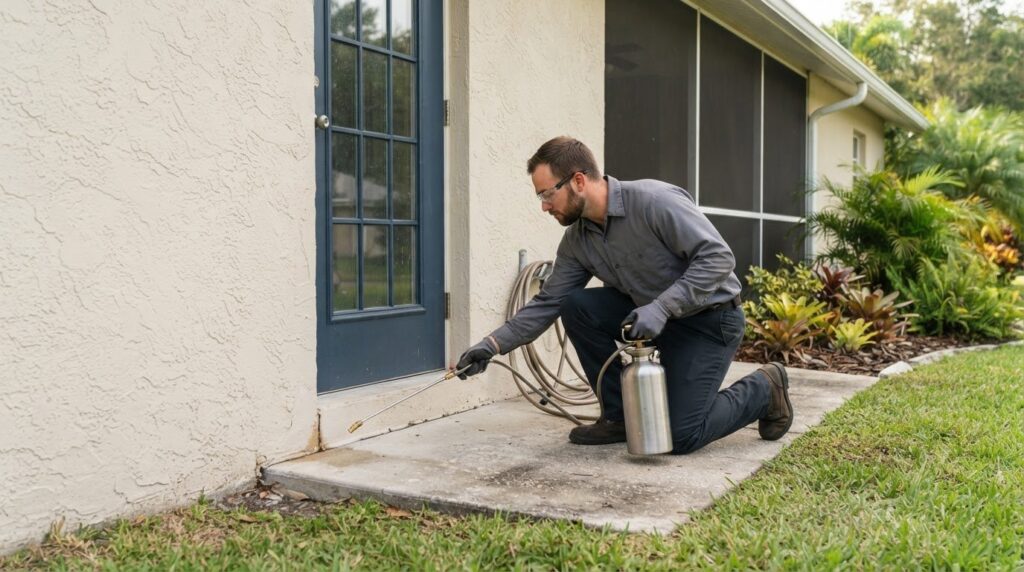
Exclusion is an important prevention step. Rodents can enter through openings as small as a quarter of an inch, so inspect gaps around pipes, vents, doors, and roof edges. Close suitable openings with durable materials, taking care not to block ventilation or interfere with building features.
Reduce accessible food and shelter around the home. Store pantry goods and pet food in sealed containers, clean crumbs from floors, and keep rubbish in closed bins. Outside, trim dense vegetation near walls and keep mulch several inches from the foundation. These steps make the area around your home less inviting for nesting rodents.
Traps and bait stations are treatment tools, not substitutes for finding entry points. A professional can place them where activity is evident and tailor the plan to the home’s layout. Keep children and pets away from treatment areas, and follow the instructions provided for any device or material used.
Rodent Species in Sarasota Homes
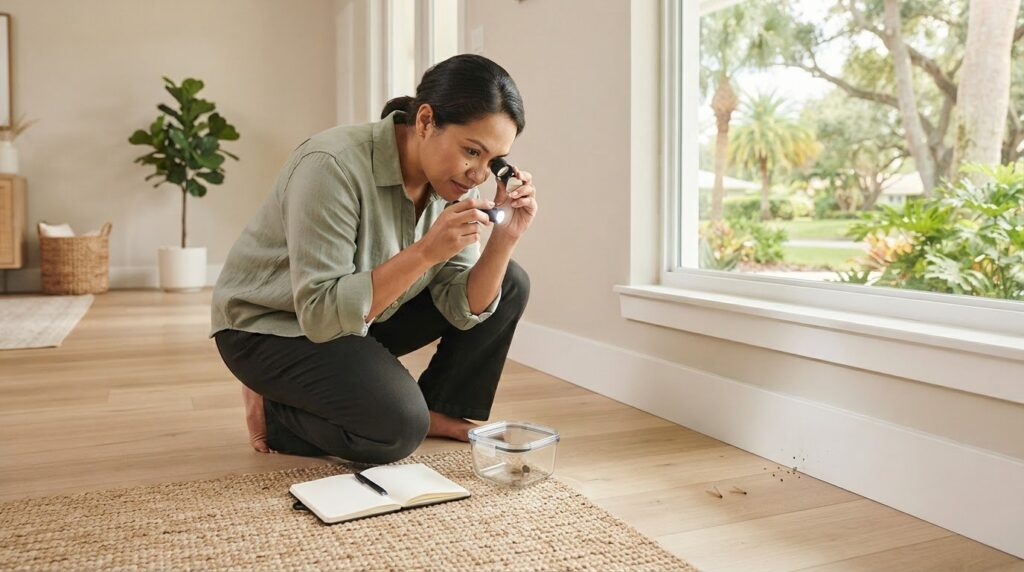
Rats and mice are the rodents addressed in residential control. A sighting, droppings, gnaw marks, or disturbed food can indicate which areas need attention, but one clue alone may not reveal the full route or nesting location. Note where and when signs appear, such as on a pantry shelf or in a garage corner, to support a focused inspection.
Safe Rodent Removal and Cleanup
For safer removal, avoid touching rodents or droppings with bare hands. Wear gloves and follow the instructions on any cleanup product. Place captured rodents and contaminated disposable materials in a sealed bag, then clean the affected surface and wash your hands.
Keep children and pets away while cleaning. Don’t sweep or vacuum droppings, as this can spread dust. Instead, dampen the material with a suitable disinfectant and wipe it up. If droppings return after cleanup, note the location and look for nearby gaps, food sources, or signs of nesting.
Residential rodent inspections and customized treatment plans
A careful inspection connects visible evidence with possible nesting areas and entry routes. Seeing one mouse or rat may indicate that more rodents are nesting elsewhere.
Residential Rodent Inspections
An inspection should cover rooms where signs appear and adjoining areas that may connect to them. For example, droppings near a kitchen cabinet may prompt checks of nearby storage, wall edges, and utility openings. The goal is to understand how activity relates across the home, rather than treating one isolated spot.
Share useful observations: where you saw activity, when it occurred, and whether signs returned after cleaning. A note about a garage wall or attic access can help focus the assessment. The inspection can distinguish likely travel routes from areas without visible evidence, guiding the next steps.
Trapping and Repair Work
Trapping addresses rodents active inside, while repairs target routes that allow access. Placement should reflect inspection findings, such as activity beside a wall or near stored household items. Ask how proposed locations relate to observed signs and how the plan accounts for children, pets, and everyday use of the room.
Repairs should address the specific openings identified during inspection. A gap around a pipe, a damaged vent cover, or a loose door edge calls for a different approach. Keeping a record of completed repairs and later sightings helps show whether the route was addressed or activity has shifted elsewhere.
Customized Treatment Plans
A useful plan links each action to a finding: traps for active areas, repairs for access points, and practical changes where food or shelter attracts rodents. The home’s layout matters. An attic, attached garage, and pantry present different access and monitoring needs, so the same setup may not suit every room.
Ask for a clear explanation of the sequence: what happens first, which areas need attention, and what signs should prompt follow-up. A plan can also clarify which tasks are for the household, such as securing stored food, and which require treatment or repairs. This makes progress easier to track.
For ongoing indoor concerns, indoor pest control can connect inspection findings with a focused treatment approach. Keep notes on new sightings after work is completed; the location and timing can help identify any remaining activity.
How does an exterminator get rid of rats?
Effective rodent control combines inspection, targeted treatment, and repairs that reduce access. In Sarasota homes, the process should trace signs from the room where they appear toward likely routes outside.
Home and Entry Point Inspection
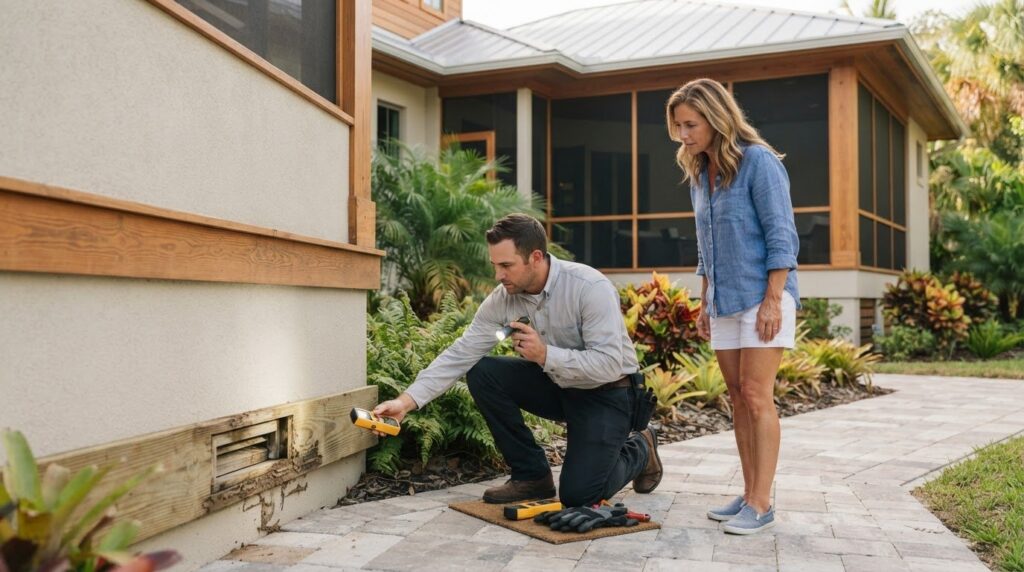
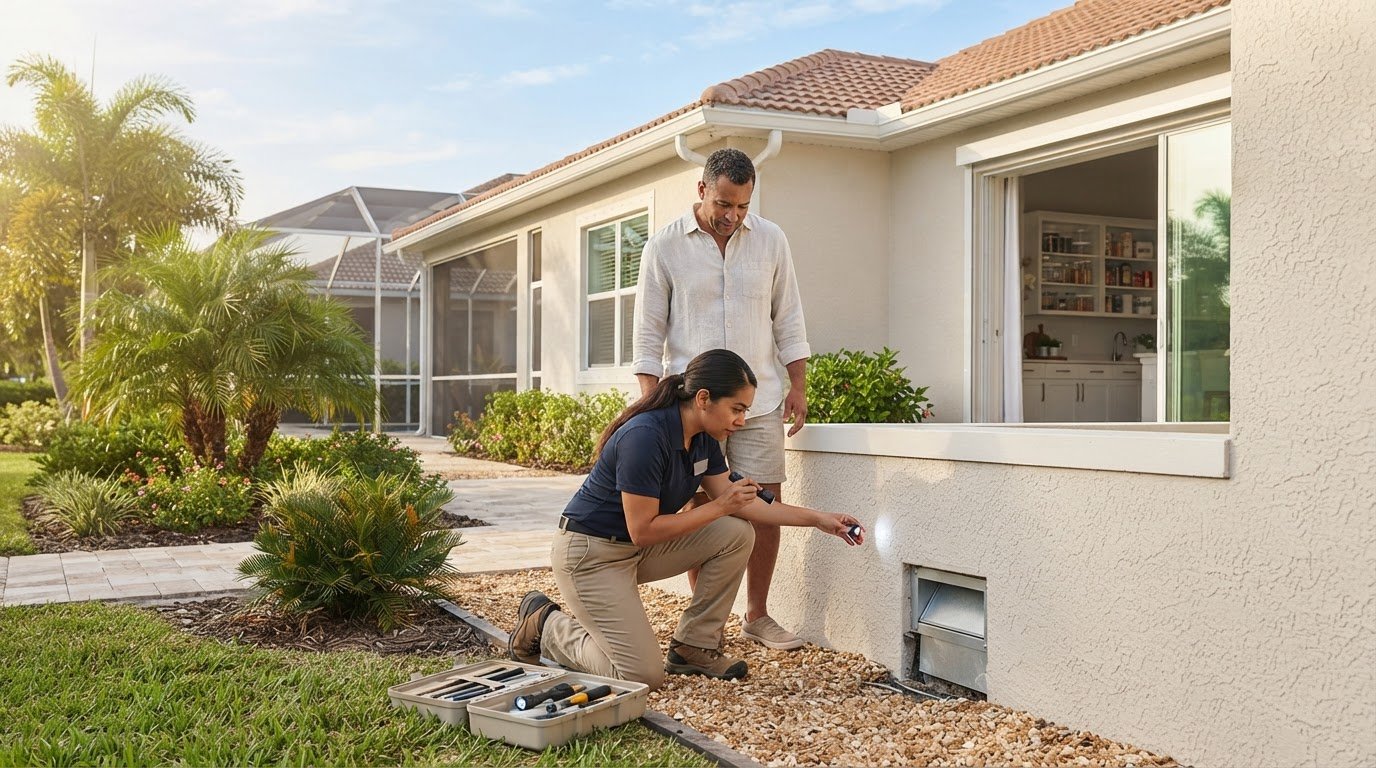
A thorough inspection follows evidence through the home and around its exterior. An exterminator may compare droppings in a garage with gnaw marks near stored items, then inspect connected spaces such as an attic, crawlspace, or utility area. Outside, roof edges, vents, door frames, and pipe openings can reveal routes worth addressing.
The inspection also looks for conditions that make an entry point accessible to a rat. A gap beside a pipe may lead into a wall, while a damaged vent cover may connect the outdoors with an attic. Share where you’ve seen activity, which rooms are affected, and whether signs return after cleanup. These details help focus the inspection.
Sealing and Rodent-Proofing
Rodent-proofing closes routes found during inspection and reduces easy access to food or shelter. Repairs depend on the opening: a loose door edge may need a fitted barrier, while a damaged screen calls for a suitable replacement. The goal is to close access without obstructing ventilation or interfering with the home’s fixtures.
After repairs, review the same locations for damage or fresh signs. For example, check around a repaired pipe opening and inspect the door edge after regular use. Keep food sealed and rubbish contained, since a tidy interior can make the home less attractive even after the structure is secured.
Control inside the home should match the evidence. A professional may use traps where activity is observed, rather than placing them without regard to room use or travel routes. The plan should identify treatment locations and explain how household members can avoid disturbing them. A garage, pantry, and attic each have distinct layout considerations.
Once control begins, keep a simple record of new sightings. Note the room, location, and whether the sign was a live rodent, droppings, or gnawing. A new sighting near a repaired opening may call for another inspection of that repair. Signs in a different room may point to another route or activity area.
Effective work connects each step: inspect, treat, repair, then review. If your home has an attached garage, for example, include its door edges and stored belongings in the inspection rather than focusing only on kitchen activity. This sequence helps address both the animal and the conditions supporting access.
Factors affecting rodent-control costs
The price depends on the case and is provided after a quote request. Main cost factors include the extent of activity, the home’s layout, treatment needs, and any repairs. A focused response to signs in one accessible room differs from work involving several connected spaces and multiple entry routes.
The number and location of signs help shape the scope. Droppings in a pantry, gnaw marks in a garage, and noises near an attic may point to separate areas requiring inspection. One visible sign doesn’t necessarily reveal where rodents are nesting, so the assessment may need to trace activity between rooms before treatment is planned.
Home size matters, but so does layout. An open floor plan may be easier to inspect than a home with a garage, attic, enclosed storage, and hard-to-reach utility spaces. Access can affect the time needed to examine each area and position treatment appropriately. Stored belongings, tight crawlspaces, or blocked access points can also make inspection and follow-up more involved.
- Extent of activity: Signs in several rooms can require a broader inspection than activity limited to one area.
- Access and layout: Attics, garages, and crowded storage areas can affect the work required to assess the home.
- Treatment scope: The plan may combine targeted trapping with monitoring or other measures suited to observed activity.
- Repairs: Closing identified access points may add work, depending on their location and the repair needed.
Repair needs can range from a small opening around a pipe to a damaged vent or door edge. The material, location, and accessibility of each point affect the work involved. Treating rodents indoors without resolving an accessible route may leave an important part of the problem unaddressed.
Ask for an explanation that separates inspection, treatment, and repair work. For example, a written scope can identify which rooms will be inspected, where traps will go, and which openings need attention. This makes it easier to compare the work each proposed plan covers, rather than weighing a total without understanding its components.
Before the assessment, note where signs appear and clear access to areas such as the garage or pantry. Share whether activity has appeared in more than one room. These details help focus the inspection on relevant spaces and clarify why the recommended work includes particular steps.
What rodent species commonly infest homes in Sarasota, Florida?
For Sarasota homeowners, the main household rodents to distinguish are rats and mice. Their size alone doesn’t show where they’re nesting, so note the sighting’s location along with droppings, gnawing, and other activity. Identification matters because likely routes and treatment approaches depend on the animal and the home’s layout.
Rat activity can develop quickly. A female rat can reproduce every three weeks and have as many as a dozen babies at a time. Repeated signs are worth taking seriously: a rat seen near a garage or pantry may be only one clue to activity elsewhere in the home.
Mice also reproduce rapidly. A female mouse’s gestation lasts about three weeks, and females can be ready to reproduce six weeks after birth. A single female mouse can have dozens of offspring in a year and can mate again immediately after giving birth. This helps explain why recurring signs call for attention to nesting areas and entry routes, not just the spot where a mouse appeared.
To help distinguish what’s present, record a few practical observations:
- Note whether you saw a rat or mouse, and where it appeared.
- Record where droppings, gnaw marks, or disturbed food recur.
- Watch for activity near storage, food, walls, or openings.
- Keep the observations together to share during an inspection.
A sighting doesn’t identify a nest by itself. For example, a mouse in a pantry points to an area for inspection, while further signs may reveal connected activity near storage or a wall. A rat seen in the garage likewise makes nearby routes and sheltered spaces relevant to the assessment. Patterns of location help focus the search without assuming every sign comes from the same species.
Keep the distinction clear: rat and mouse signs call for rodent control, while other animals entering a home may require a different assessment. Don’t rely on one clue alone. Combine the animal’s appearance with the location and pattern of signs, then use that record to guide inspection and treatment decisions. In Sarasota, identifying whether the concern involves rats or mice is a practical first step toward matching the response to the home.
Landscape By Design Of Palmetto: Landscape Design
Landscape By Design Of Palmetto can help homeowners improve outdoor spaces after addressing rodent activity inside. If overgrown planting, uneven outdoor areas, or aging systems are part of a broader property refresh, landscape design can bring function and visual balance into one considered plan.
Hardscapes and retaining walls add durable structure to outdoor spaces, while irrigation and sprinkler systems support a healthy landscape. Landscape lighting can improve visibility and add atmosphere to paths and gathering areas. These services complement property improvements, but don’t replace rodent inspection, exclusion, or treatment.
If outdoor updates are already on your mind, consider planning them as a cohesive whole. Contact Landscape By Design Of Palmetto to discuss your landscape design needs.
Shape a more considered next step
A home’s comfort is shaped by its surroundings as well as its interior. Once you’ve addressed rodent activity, consider whether your outdoor spaces could better support how you use and care for your property. A thoughtful plan can bring order, function, and visual harmony to the landscape without confusing outdoor improvements with pest treatment.
For rodent control for homes in Sarasota, keep the next step practical: follow through on the inspection and treatment recommendations, then consider any separate landscape priorities at your own pace. If you’re ready to explore an outdoor project, connect with Landscape By Design Of Palmetto to discuss your goals. A clear direction for each project can make home care feel more manageable and create a setting that reflects your preferences.
Steady attention, considered decisions, and a well-planned next step can help you care for your home with greater confidence.
Frequently Asked Questions
Any prevention or exclusion tips for residents in your area?
For rodent control for homes in Sarasota, start by limiting food and shelter around the property. Bring pet food inside after feeding and clear fallen fruit from beneath trees. Check garage doors and storage areas for signs of activity, and keep exterior bins closed. A seasonal walk around the home can help you spot changes, such as damaged screens or new clutter beside walls.
How much does a rodent exterminator cost?
The price depends on the case and is provided after a quote request. Factors include how widely activity appears, which areas need inspection, the treatment approach, access to affected spaces, and whether repairs are needed. A home with signs in connected rooms may require a broader scope than one with activity in an isolated area. Ask for the proposed work to be explained by inspection, treatment, and repair tasks.
How quickly do mice multiply?
Mice can multiply quickly: a female mouse’s gestation lasts about three weeks, and she can be ready to reproduce six weeks after birth. She can also mate again immediately after giving birth. In practical terms, recurring droppings or disturbed food shouldn’t be treated as a one-time housekeeping issue. Note where signs return, especially near stored food or sheltered spaces, and arrange an inspection if activity continues.
What causes rats to come into my house?
Rats enter when a home offers access to food, water, or shelter. Open rubbish, pet food left outdoors, fallen fruit, and sheltered storage can make a property more appealing. A gap near a garage door or utility line may provide a route inside. Check both the suspected entry area and nearby attractants, since removing one without addressing the other may leave the conditions that drew rats close.
What is the fastest way to get rid of mice?
The most direct approach is to address active mice and the conditions supporting them at the same time. Identify where activity is concentrated, use appropriate traps according to their instructions, and secure food that might attract more mice. Avoid moving traps to random locations without considering signs and room use. If activity appears in several areas or returns after cleanup, a professional inspection can help guide treatment.
How can homeowners identify signs of rats or mice in a Sarasota home?
Look for droppings, gnawed packaging, shredded nesting material, and disturbed food in places such as cabinets, garages, and storage closets. Scratching sounds inside a wall or ceiling can also prompt a closer look nearby. Keep a simple record of the room and type of sign. Repeated evidence in separate areas can help an inspector distinguish an isolated encounter from broader activity.
What are the most effective ways to prevent rodents from entering a home in Sarasota?
Effective rodent control for homes in Sarasota starts with routine upkeep and targeted repairs. Store dry goods in sealed containers, reduce clutter in garages, and keep vegetation from creating concealed access near the house. Inspect screens, door sweeps, and utility openings after storms or exterior work. If you find a gap, choose a repair that closes access without blocking ventilation or damaging the fixture.
What health risks do rodents pose to people and pets in Florida?
Rodents can contaminate food-preparation areas and stored items with droppings, urine, or nesting debris. They may also chew household materials, creating damage that can expose people or pets to contaminated surfaces. Keep children and animals away from affected areas, discard food with signs of contact, and clean carefully using suitable products. If a person or pet has direct exposure and develops concerns, contact a healthcare professional or veterinarian.