Managing Inadequate Soil Amendments and Limited Lot Spacing
Florida’s reputation for beautiful weather and lush scenery often contrasts with outdoor drainage problems faced by homeowners in new neighborhoods. Poor soil amendments and closely built homes frequently lead to issues, creating challenges for residents aiming to keep their yards dry and protect their foundations.
Understanding the Drainage Problem
Many new developments in Florida are constructed on land that needs significant modification. Builders commonly use inexpensive or unsuitable soil amendments, like sandy fill or clay mixes, to quickly grade lots. Unfortunately, these materials often do not support adequate drainage, resulting in standing water, muddy yards, and flooding after heavy rains.
The Impact of Tight Lot Spacing
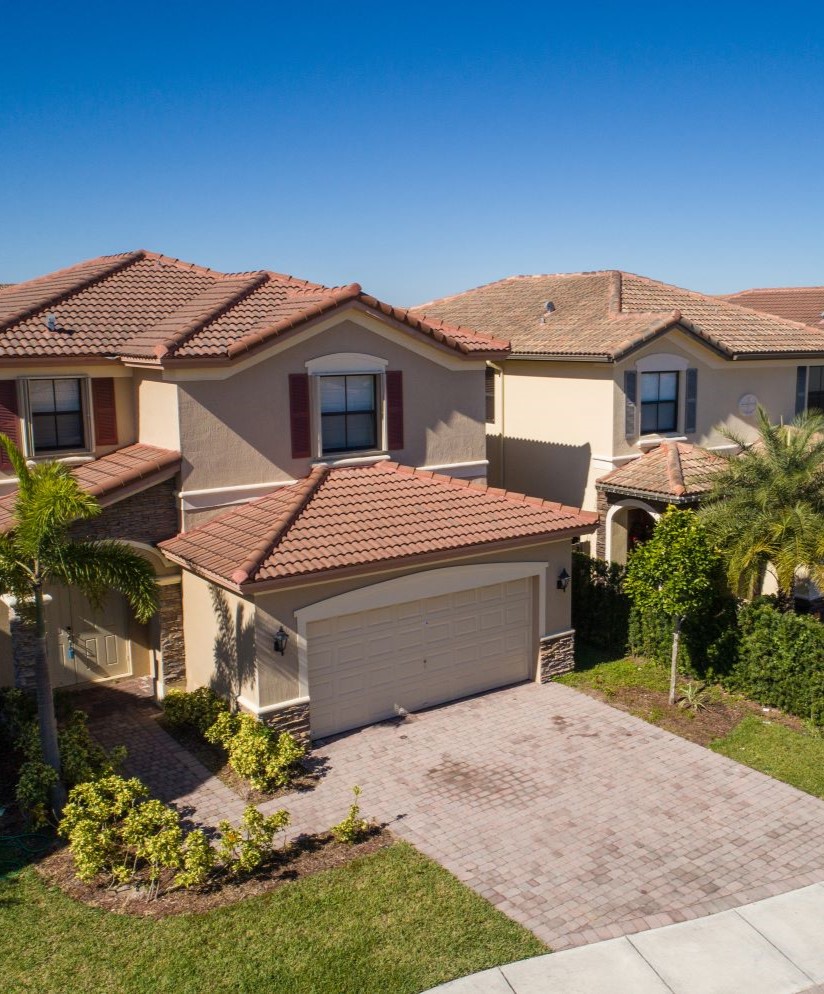
Another issue is the increasing trend of building houses very close together. With limited space separating homes, there is little opportunity for water to drain naturally. Runoff from roofs and driveways rapidly collects, overloading the narrow drainage channels and leading to pooling in backyards and side yards.
Common Issues Homeowners Face
- Standing Water:
Persistent puddles in lawns and near foundations can attract mosquitoes and harm landscaping.
- Soil Erosion:
Occurs when rapid runoff washes away mulch and soil, forming unsightly gullies and exposing roots.
- Foundation Concerns:
Inadequate drainage may cause cracks, leaks, and lasting structural problems in the home.
Solutions for Better Outdoor Drainage
While these issues are frustrating, there are steps homeowners can take to improve drainage:
- 1. Install French drains or swales to redirect water from problem areas toward storm drains.
- 2. Enhance soil amendments by blending organic material and sand to boost permeability and promote improved water flow.
- 3. Implement rain gardens by planting native, water-tolerant species in low-lying areas to naturally absorb excess water.
- 4. Regular maintenance involves clearing gutters, downspouts, and yard drains of debris to ensure proper water flow.
Planning Ahead
If you’re thinking about purchasing or constructing a new home in Florida, focus on lot grading, soil condition, and spacing between properties. Inquire with your builder about their drainage strategies, and work with a local landscape expert to develop a plan that ensures your property stays dry throughout the year.
Through careful design and regular maintenance, you can address issues like poor soil and limited space, keeping your home attractive and practical regardless of Florida’s weather conditions.