Your Guide to Identifying and Treating Bermuda Grass Invasion in St. Augustine Lawns
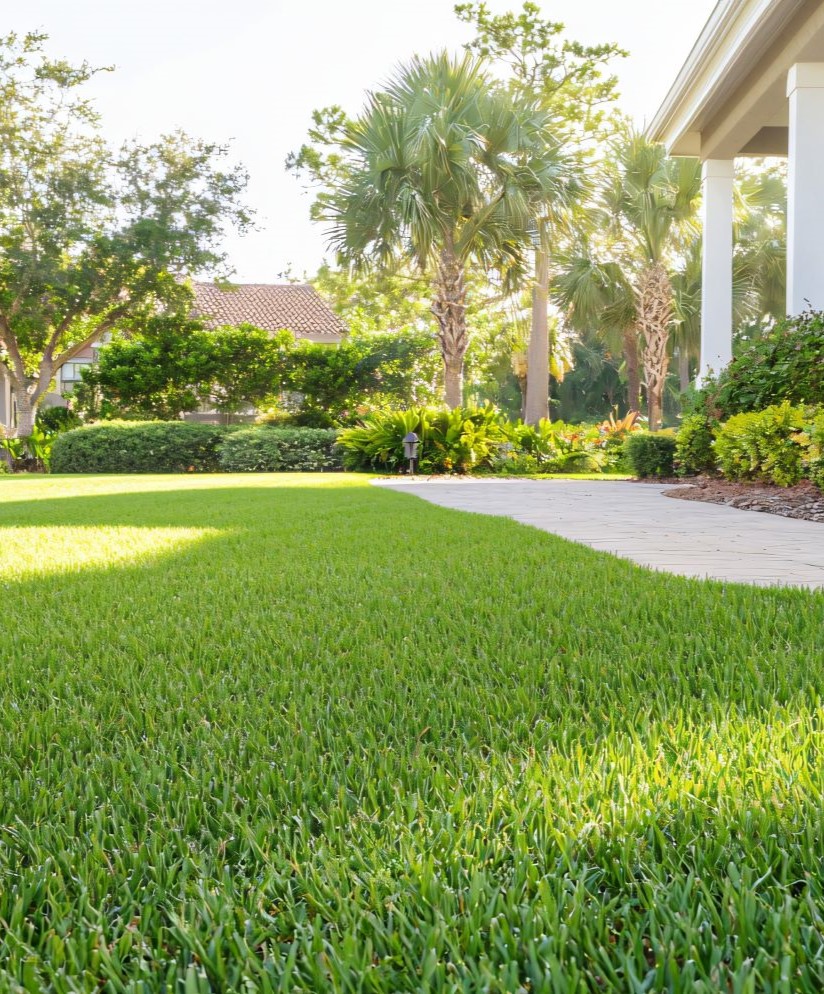
Florida’s warm, humid climate supports lush lawns, with St. Augustine grass being popular among homeowners due to its broad blades, dense growth, and coastal tolerance. Nonetheless, this favored turfgrass faces a constant issue: Bermuda grass intrusion. While Bermuda grass is appreciated in sports fields and some lawns for its resilience, it can become problematic when it spreads into St. Augustine turf, leading to unsightly patches and competing for nutrients. In this blog, you’ll learn how to identify Bermuda grass in your St. Augustine lawn and explore effective methods to control it.
Spotting Bermuda Grass in St. Augustine Lawns
Early identification is key to controlling Bermuda grass before it spreads. Here’s what to look for:
- Leaf Shape and Texture:
Bermuda grass features narrow, fine-textured blades that are thinner than the broad, coarse blades of St. Augustine grass. Its color is typically a lighter green compared to the darker shade of St. Augustine.
- Growth Habit:
Bermuda grass propagates rapidly via underground rhizomes and above-ground stolons, in contrast to St. Augustine, which develops dense mats. You’ll notice Bermuda creating low, wiry patches that appear to spread across the lawn.
- Appearance in Mowed Lawns:
After mowing, Bermuda grass frequently shows up as uneven, patchy spots in the lawn. Its fast growth and distinct texture can give a “rough” appearance next to the smoother St. Augustine blades.
- Seed Heads:
When Bermuda grass sets seed, it creates unique, forked seed heads that stand above the lawn. In contrast, St. Augustine grass does not form similar seed heads.
Why Is Bermuda Grass a Problem?
Bermuda grass rivals St. Augustine in competing for water, nutrients, and light. It rapidly spreads to stressed or thin spots in your lawn, causing uneven turf, bare patches, and a less attractive landscape. Its aggressive growth makes it hard to control, particularly in Florida’s ideal growing conditions.
Potential Treatments for Bermuda Grass in St. Augustine Lawns
Managing Bermuda grass in St. Augustine lawns requires a combination of cultural practices and, in some cases, chemical control. Here are some approaches:
- 1. Promote Healthy St. Augustine Growth:
Thick, healthy St. Augustine grass naturally deters Bermuda invaders. Fertilize properly, water deeply but infrequently, and mow at the suggested height (typically 3–4 inches) to maintain a dense turf.
- 2. Hand Removal:
For small patches, carefully excavate Bermuda grass, making sure to remove all roots and runners. Discard the material to prevent it from regrowing.
- 3. Spot Chemical Treatments:
Selective herbicides approved for St. Augustine lawns can aid in controlling Bermuda grass. Products with fluazifop or sethoxydim might reduce Bermuda’s growth, but it’s essential to follow label instructions and seek advice from local extension offices for Florida-specific guidance.
- 4. Solarization:
For severe infestations, solarization involves covering affected areas with clear plastic during the hottest months for 4–6 weeks to eliminate Bermuda grass. Afterward, re-sodding with St. Augustine is necessary.
- 5. Resodding:
If Bermuda has spread widely, consider removing the affected turf and replacing it with new St. Augustine sod.
Prevention Tips
- Regularly check your lawn for Bermuda grass indicators, particularly following stress periods such as drought or heavy foot traffic.
- Maintain your mower blades clean to prevent the spread of Bermuda runners.
- Create a barrier along your lawn's edge to stop Bermuda grass from encroaching from nearby properties.
- Address thin or bare spots quickly to stop Bermuda grass from spreading.
Bermuda grass invasion is a frequent problem in St. Augustine lawns across Florida. Recognizing it early and selecting effective treatment options can help preserve your turf’s beauty and health. If you’re uncertain about identifying or controlling Bermuda grass, contact your local extension office or turf specialist—they are equipped to provide tailored recommendations for Florida lawns.